Facsimile Editions of “A Christmas Carol”
Published 1914 Through 2019
Fac·sim·i·le: an exact copy or reproduction, especially of written or printed material.
Over the past 45 years, I have enjoyed all the different editions in my collection; however, other than the first edition and subsequent “impressions” (2nd through 14th editions with minor textural corrections) that followed, I have a fondness for the facsimile editions. There is just something special about reading the “Carol” in the original size, texture, typeset and details of the novella written in Dickens’ descriptive Victorian vernacular with the original John Leech’s illustrations.
There are primarily two reasons I have prepared this unofficial bibliography of the published facsimile editions of “A Christmas Carol.”
1. Original or Facsimile?
There has been considerable confusion caused by the “undated” facsimile editions of the “Carol” being mistaken for, or incorrectly identified as original first or early editions of the book. In addition, I have run across more than a few “modified” early facsimile editions that have been passed off as first editions to unsuspecting buyers.
2. Cost, COST, COST!
Due to the ever increasing cost of purchasing a First Edition “Carol” or even one of the second through fourteenth “impressions” published between 1844 and 1860 issued in the same basic format as the first edition, collecting the various facsimile editions published during the 20th and early 21st Century can be a much lower cost alternative to purchasing an original first or early edition of this highly sought after book.
There have been numerous published editions of “A Christmas Carol” listed as “facsimile”, including publications of the original handwritten manuscript by Dickens. I have limited the editions listed below to facsimiles that are at or close to the original book size and format, including page-count, typeset, illustrations, etc. and that have been published in bindings that are similar to the first 1843 edition published in London.
Each of the facsimile editions that I have included in this article are listed below beginning with the oldest and first known facsimile published in 1914, and continues through to the most recent edition(s) published. I sincerely hope this information will be of benefit to book sellers, collectors and researchers of the Published Facsimile Editions of “A Christmas Carol.”
Thank you for your interest – The “Carol Man”
Facsimile Editions of
“A CHRISTMAS CAROL”
Published 1914 Through 2019
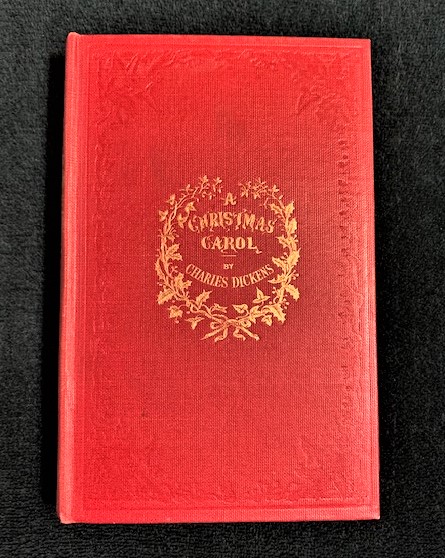
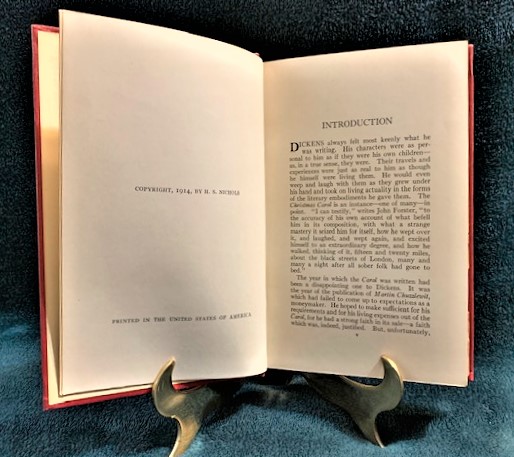
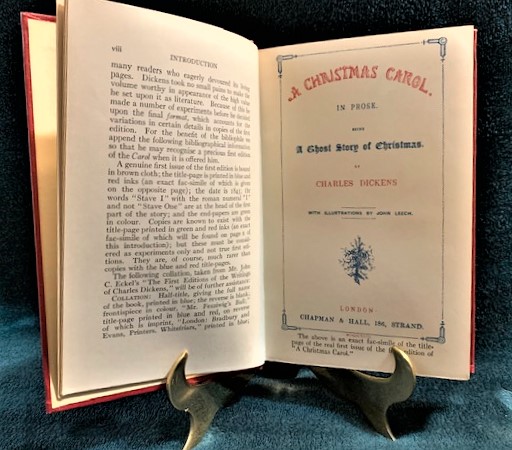
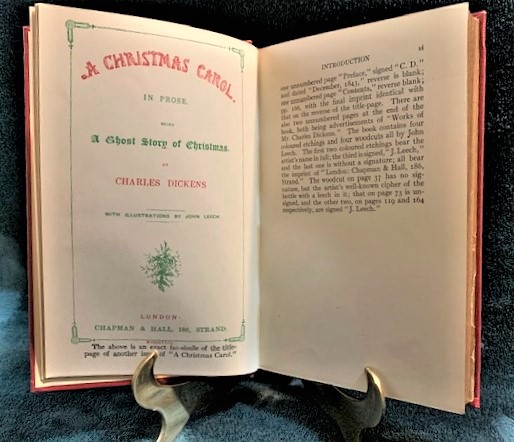
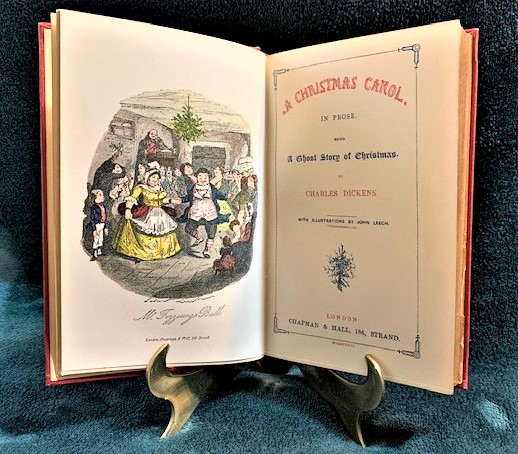
1) 1914 H. S. Nichols Facsimile
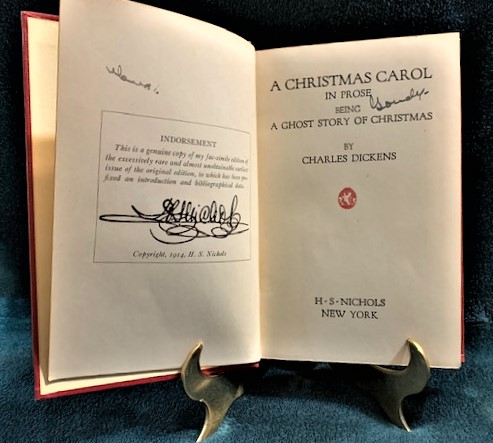
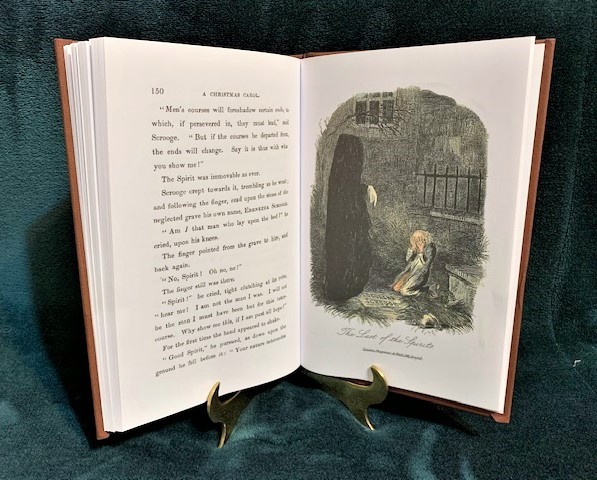
Published by H. S. Nichols, New York. Introduction by H. S. Nichols, which includes examples of an exact first edition title page in red and blue ink followed by the experimental title page in red and green ink (Dickens first color choices).
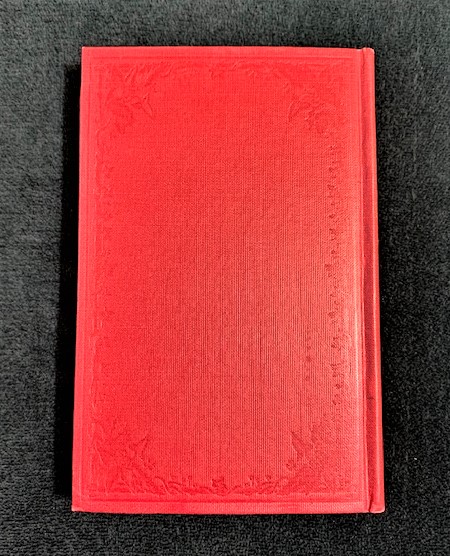
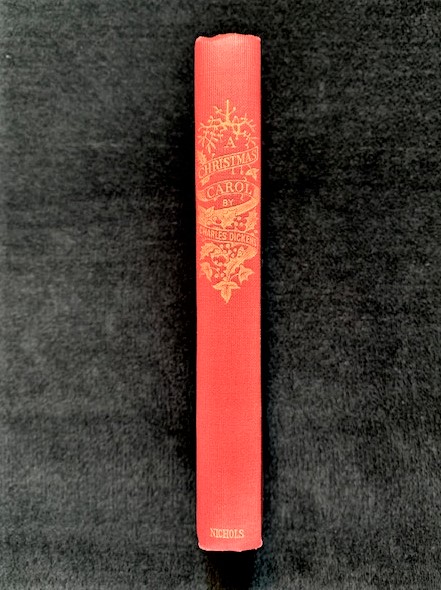
Binding: Bound in red-colored ribbed cloth with decorative blind-stamping front and back with the title and surrounding wreath stamped in gold gilt on the front and along spine.
Contents: Yellow end-papers, facsimile publishers’ half-title, endorsement statement, title page, copyright statement, and introduction/title page examples as noted above. The first edition facsimile includes a half-title page, “Fezziwigs Ball” illustration in color, red and blue title page, printers mark, preface page, contents page, 166 pages of text including 3 additional color and 4 black ink illustrations, and 1 doubled-sided page of the publishers advertisements. All page edges are gilt.
Comments: This edition maintains the original 1843 edition “Stave I” first chapter heading and the uncorrected text that was revised in the second edition. This is a high quality and attractive facsimile, and is one of my favorites. Based on my experience and research, this 1914 edition is the very first facsimile published of the original 1843 edition, and it is also the hardest one to find. I have seen only a few offered for sale in recent years.
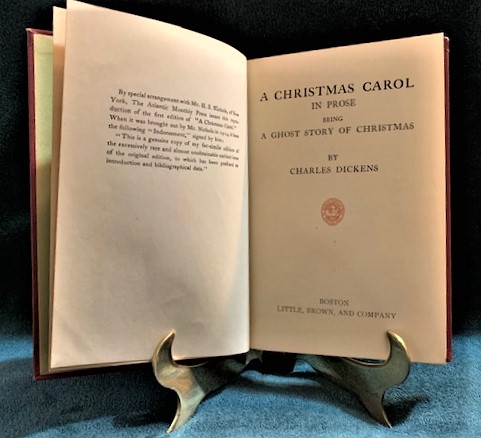
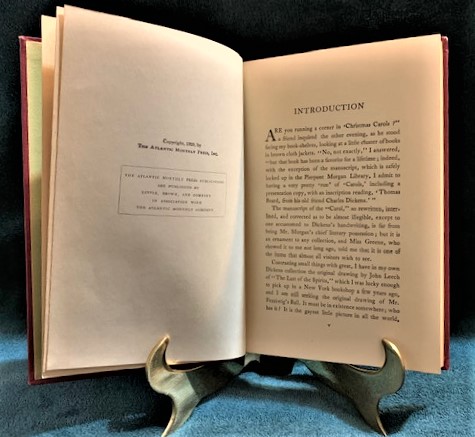
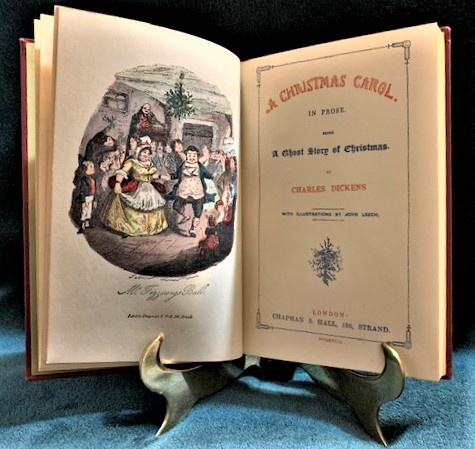
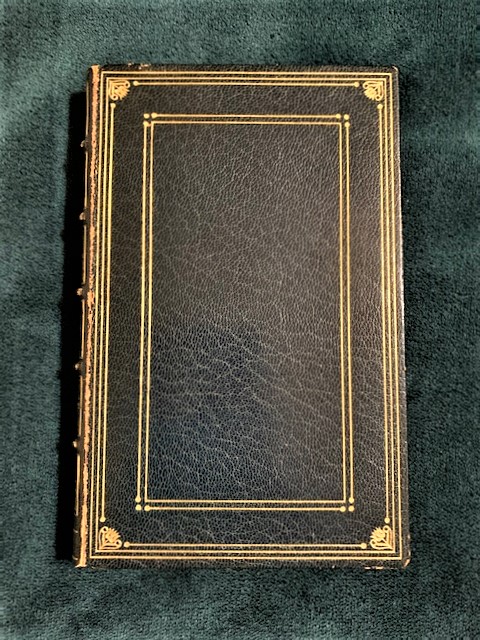
2) 1920 Little, Brown & Co. Facsimile
Published by Little, Brown and Company, Boston Massachusetts, in association with The Atlantic Monthly Company. Introduction by A. Edward Newton.
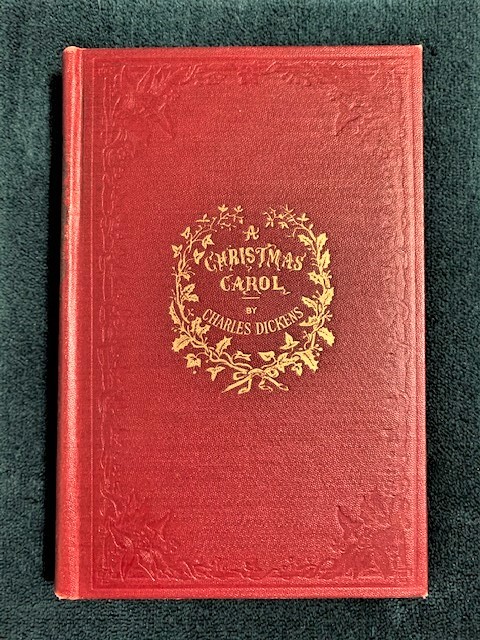
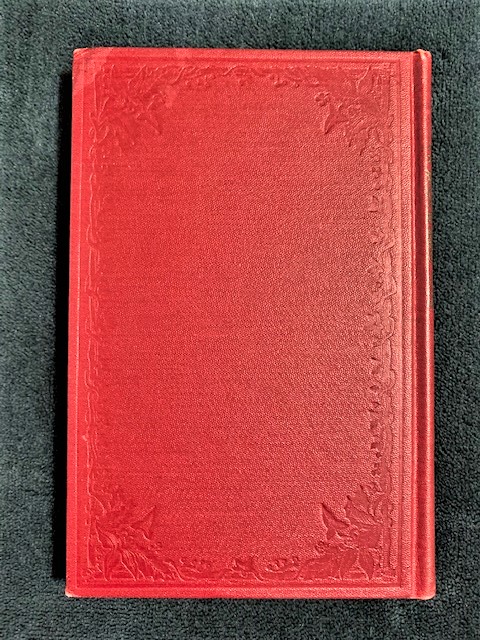
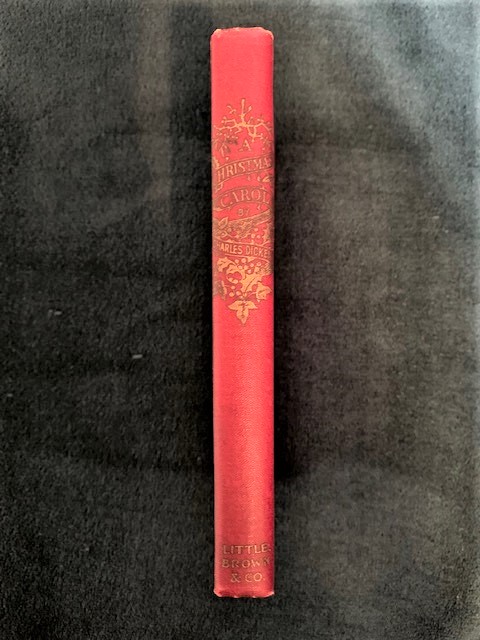
Binding: Bound in dark red-colored textured cloth with decorative blind-stamping front and back with the title and surrounding wreath stamped in gold gilt on the front and along the spine. The publishers’ name is printed at the base of spine.
Alternate Binding: This edition was also published in a fine binding that included full dark green-colored calf leather cover with raised ribs on the spine, gilt title on spine with gilt decorations and gilt page edges. Blue ribbon page marker bound in at head of spine.
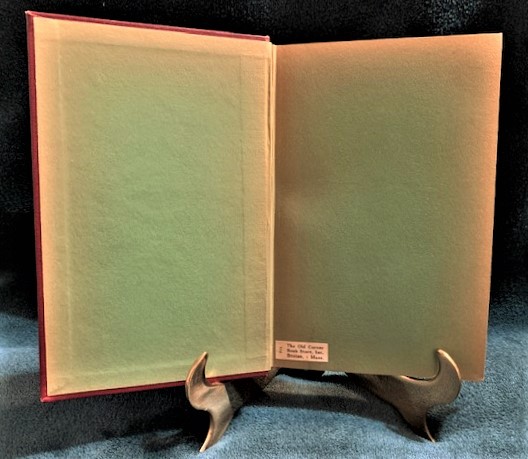
Contents: Green end-papers, facsimile publishers’ half-title, endorsement statement, title page, copyright statement, and introduction as noted above. This facsimile edition includes a half-title page, “Fezziwigs Ball” illustration in color, red and blue title page, printers mark, preface page, contents page, 166 pages of text including 3 additional color and 4 black ink illustrations, and 1 doubled-sided page of the publishers advertisements.
Comments: This edition maintains the original 1843 edition “Stave I” first chapter heading and the uncorrected text that was revised in the second edition. I would like to point out that the endorsement statement in the 5th photo states that this edition is by “Special arrangement with Mr. H. S. Nichols”, and it also references his earlier facsimile edition published in 1914. This is an attractive facsimile, especially in the fine binding.
Alternate Fine Binding 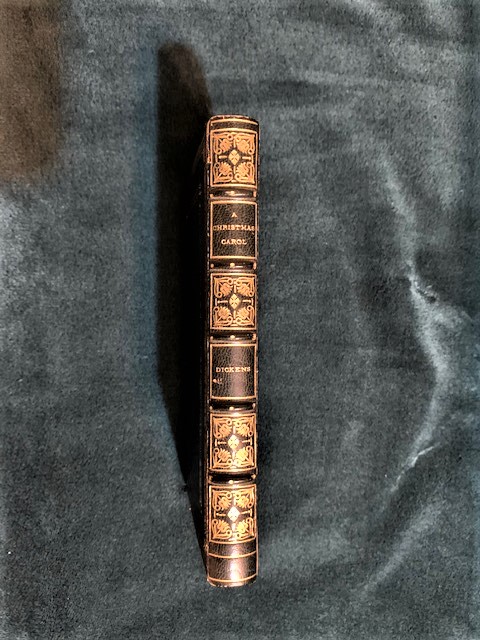
Alternate Fine Binding
3) 1920 Atlantic Monthly Press Facsimile
Published by The Atlantic Monthly Press Inc., Boston Massachusetts. Introduction by A. Edward Newton.
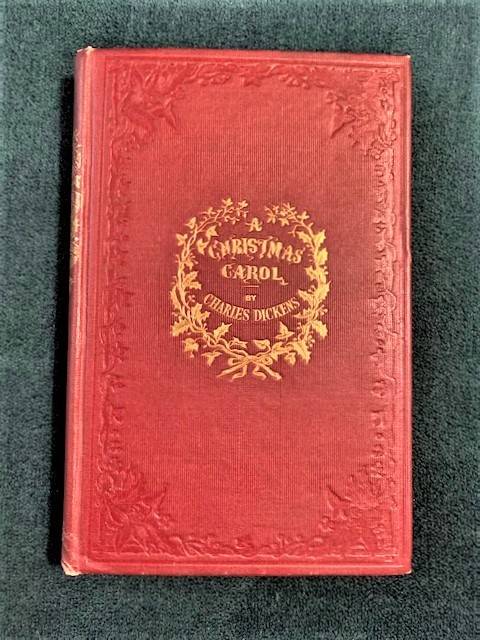
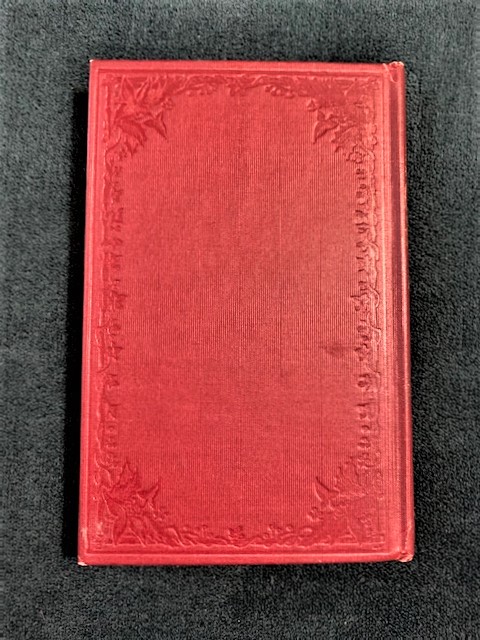
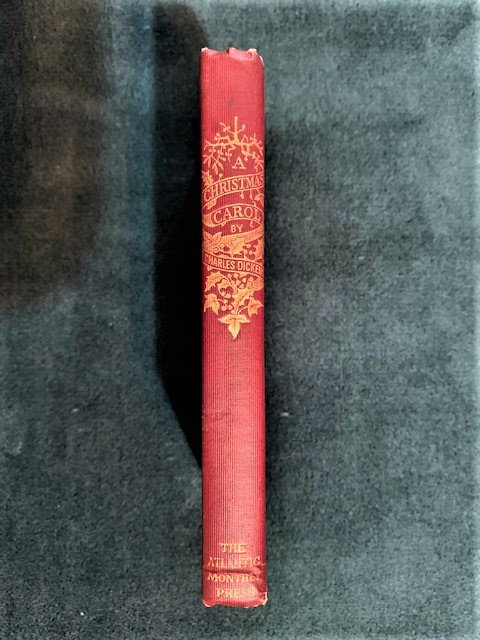
Binding: Bound in dark red-colored ribbed cloth with decorative blind-stamping front and back with the title and surrounding wreath stamped in gold gilt on the front and along spine. The publishers’ name is printed at the base of spine.
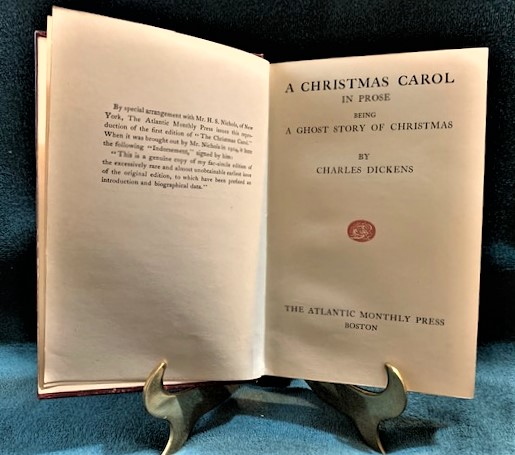
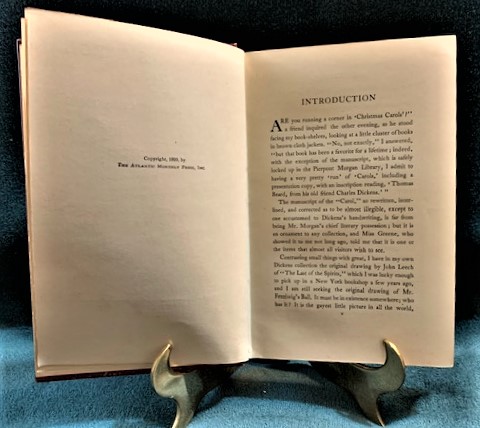
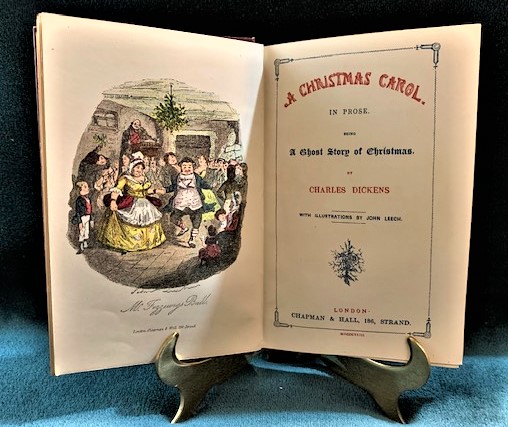
Contents: Off-white end-papers, facsimile publishers’ half-title, endorsement statement, title page, copyright statement, and introduction as noted above. This facsimile edition includes a half-title page, “Fezziwigs Ball” illustration in color, red and blue title page, printers mark, preface page, contents page, 166 pages of text including 3 additional color and 4 black ink illustrations, and 1 double-sided page of the publishers advertisements. All page edges are gilt.
Comments: This edition maintains the original 1843 edition “Stave I” first chapter heading and the uncorrected text that was revised in the second edition. The endorsement statement in the 4th photo also states that this edition is by “Special arrangement with Mr. H. S. Nichols”, and it references his earlier facsimile edition published in 1914. This is a high quality and attractive facsimile. Although it doesn’t show in the pictures below, the color of the cloth binding is a bit darker than most of the other early facsimiles.
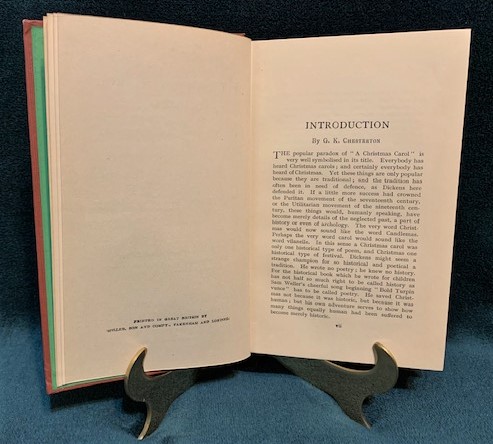
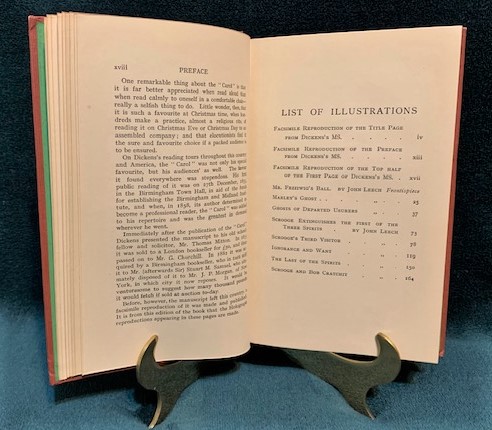
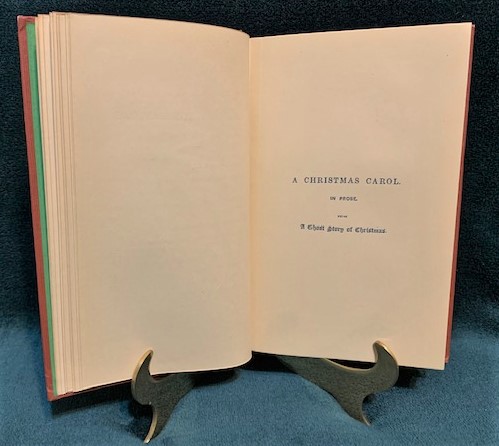
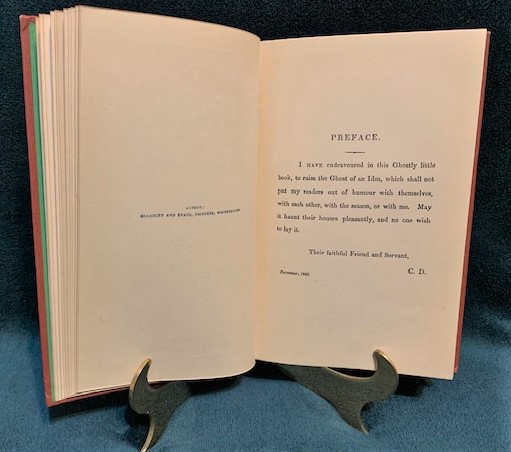
4) 1922 Cecil Palmer Facsimile
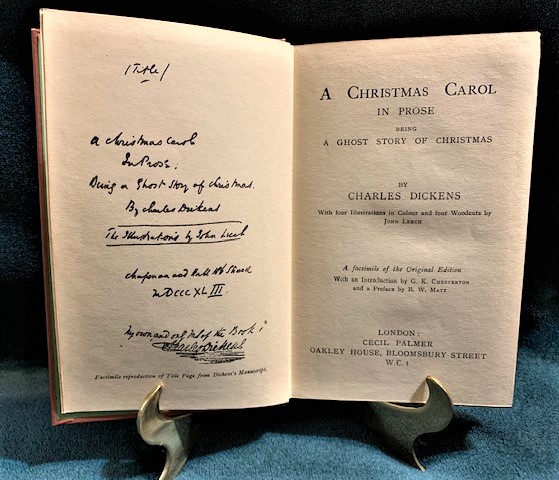
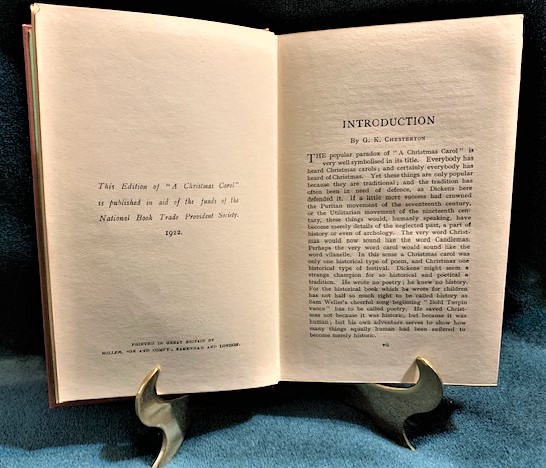
Published by Cecil Palmer, London, England. Introduction by G. K. Chesterton, and preface by B. W. Matz.
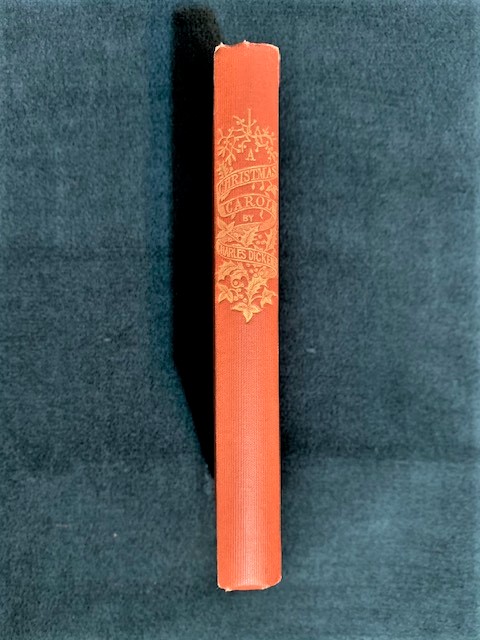
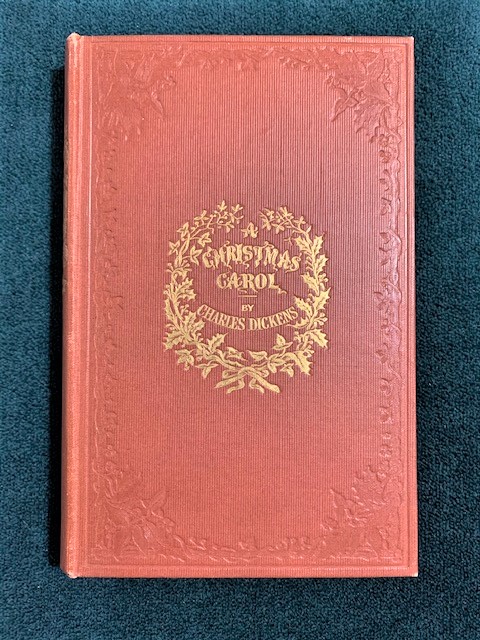
Binding: Bound in cinnamon-colored ribbed cloth with decorative blind-stamping front and back with the title and surrounding wreath stamped in gold gilt on the front and along the spine, with gilt page edges.
Alternate Binding: This edition was also published in a fine binding that included full red-colored calf leather with raised bands on the spine, gilt title and decorations on front cover and spine, with gilt page edges. This deluxe edition was sold by the Marshall Fields department store in Chicago, Illinois, and included red checkered end-papers, tissue guards at color illustrations, and a facsimile of the original cinnamon-colored ribbed cloth cover bound in the book behind the advertisements. Also included was a red checkered cardboard slipcase. Red ribbon page marker bound in at head of spine.
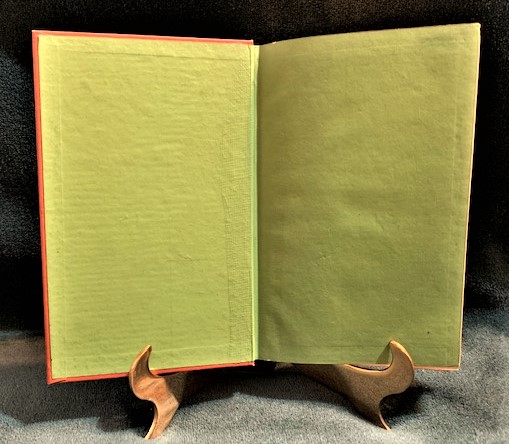
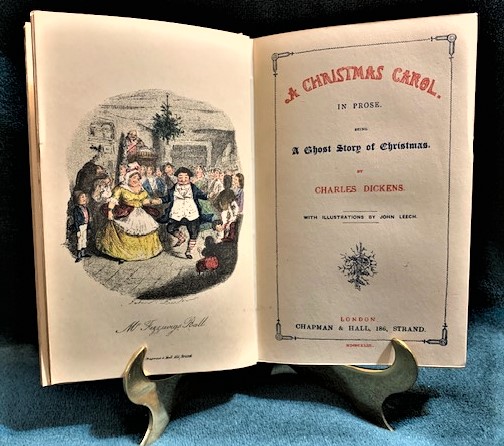
Contents: Green end-papers, facsimile publishers’ half-title, a facsimile of the handwritten manuscript title page, facsimile title page, copyright statement, introduction and preface as noted above (including two additional manuscript pages), and a list of illustrations. The facsimile edition portion includes a half-title page, “Fezziwigs Ball” illustration in color, red and blue title page, printers mark, preface page, contents page, 166 pages of text including 3 additional color and 4 black ink illustrations, and 1 double-sided page of the publishers advertisements.
Comments: This edition maintains the original 1843 edition “Stave I” first chapter heading, however; all other text corrections have been made that are consistent with the second edition published in early 1844 (still dated 1843). With the exception of the different publisher’s name on the title page, this edition is identical to the 1924 Charles E. Lauriat Co. edition listed below. Both editions were printed in Great Britain, very likely at the same time. This is a very attractive facsimile edition, and in my opinion, the binding most likely resembles that of the original first edition when published in 1843.

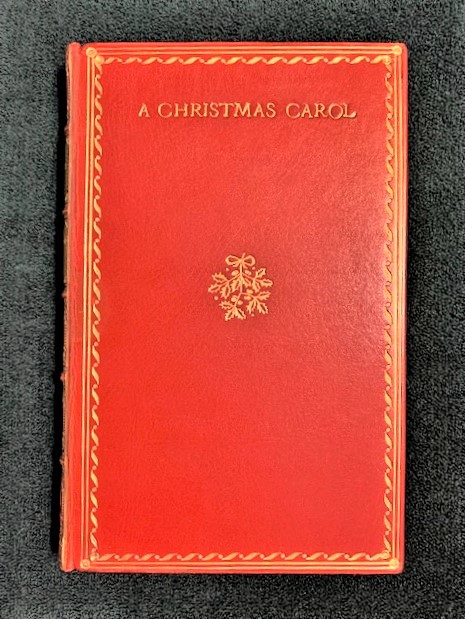
Alternate Fine Binding 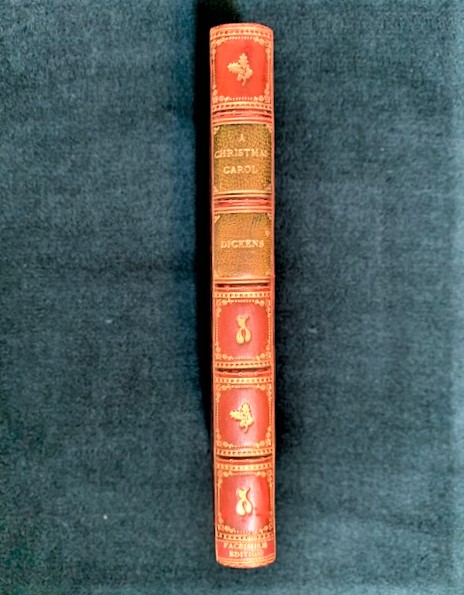
Alternate Fine Binding 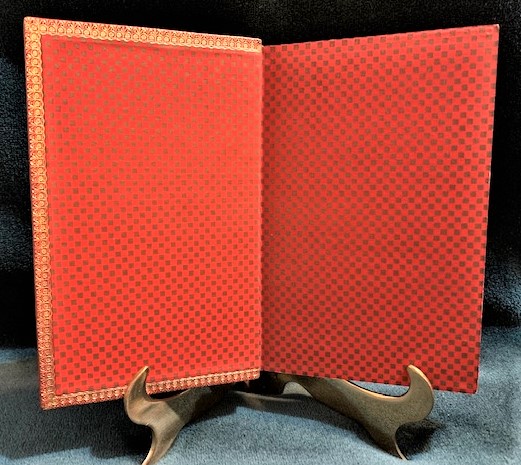
Alternate Fine Binding Endpapers 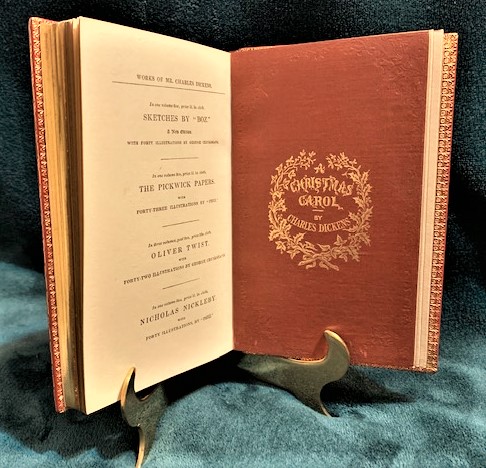
Facsimile Insert of Original Cloth 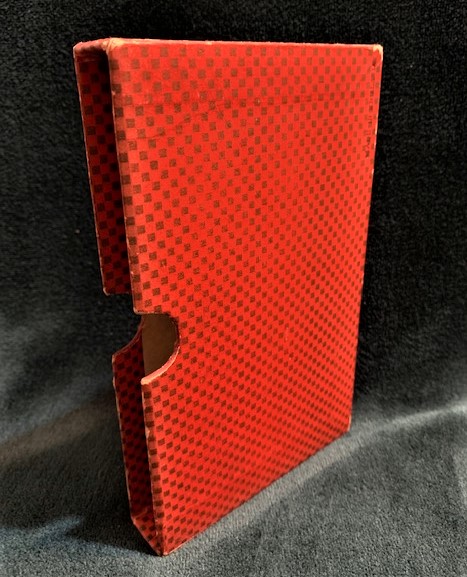
Slipcover for Alternate Fine Binding
5) Circa 1924 Charles E. Lauriat Facsimile
Published by Charles E. Lauriat Co., Boston, Massachusetts (Printed in Great Britain). Introduction by G. K. Chesterton, and preface by B. W. Matz.
Binding: Bound in cinnamon-colored ribbed cloth with decorative blind-stamping front and back with the title and surrounding wreath stamped in gold gilt on the front and along the spine, with gilt page edges.
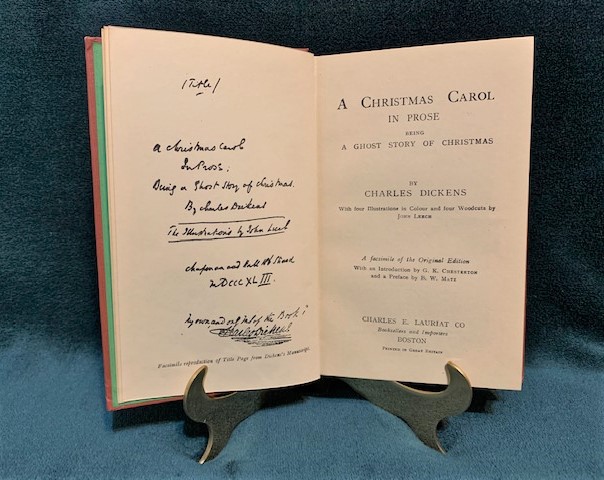
Contents: Green end-papers, facsimile publishers’ half-title, a facsimile of the handwritten manuscript title page, facsimile title page, copyright statement, introduction and preface as noted above (including two additional manuscript pages), and a list of illustrations. The facsimile edition portion includes a half-title page, “Fezziwigs Ball” illustration in color, red and blue title page, printers mark, preface page, contents page, 166 pages of text including 3 additional color and 4 black ink illustrations, and 1 double-sided page of the publishers advertisements.
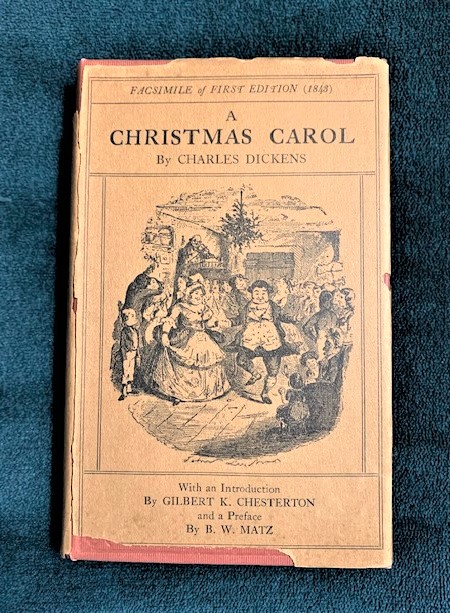
Comments: This edition maintains the original 1843 edition “Stave I” first chapter heading, however; all other text corrections have been made that are consistent with the second edition published in early 1844 (still dated 1843). With the exception of the different publisher’s name on the title page, this edition is identical to the 1922 Cecil Palmer edition listed above. Both editions were printed in Great Britain, very likely at or near the same time. In addition, this edition was issued with a light-brown paper dust cover that has the Leech illustration of “Fezziwigs Ball” printed in black ink on the front. This is a very attractive facsimile edition, and in my opinion, the binding most likely resembles that of the original first edition when published in 1843.
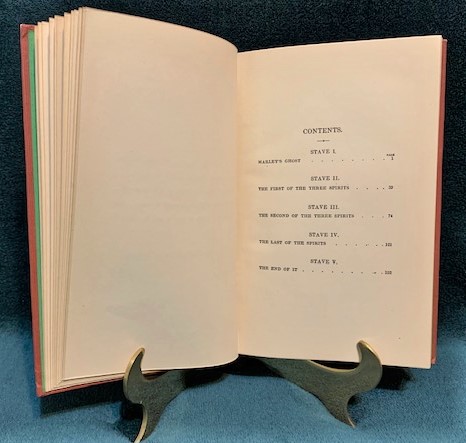
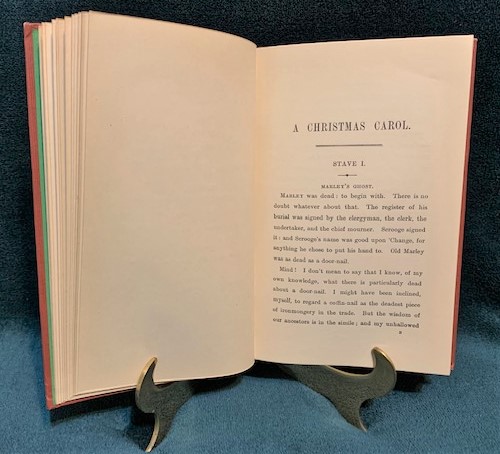
6) 1956 Columbia University Facsimile
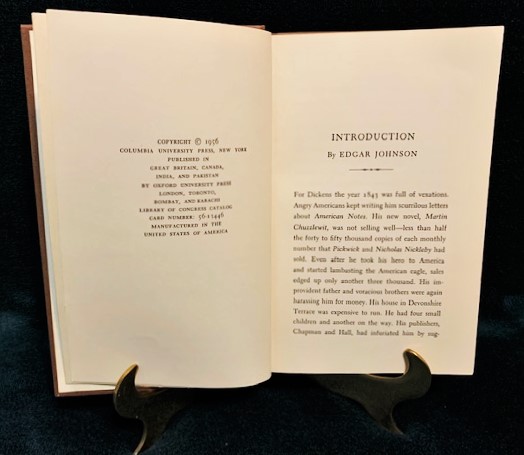
Published by the Columbia University Press, New York. Introduction by Edgar Johnson.
Binding: Bound in dark brown-colored paper-covered boards with cloth spine. Title and surrounding wreath stamped in gold gilt on the front and along the spine.
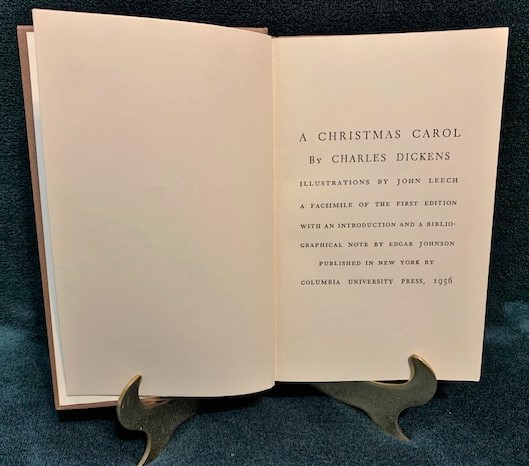
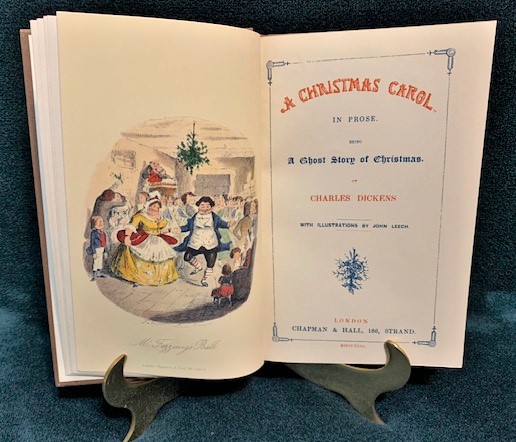
Contents: Off-white end-papers, facsimile publishers’ title and facsimile statement, copyright statement, and introduction as noted above. This facsimile edition includes the half-title page, “Fezziwigs Ball” illustration in color, red and blue title page, printers mark, preface page, contents page, 166 pages of text including 3 additional color and 4 black ink illustrations, and 1 double-sided page of the publishers advertisements followed by a biographical note.
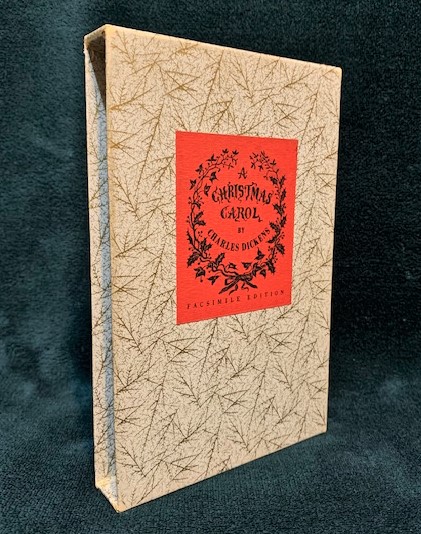
Comments: This edition maintains the original 1843 edition “Stave I” first chapter heading and the uncorrected text that was revised in the second edition. An identical second printing of this facsimile edition was published the following year in 1957. Both the first and second printings were issued with a light gray cardboard slipcase with gold decorations. The book title and decorative wreath is printed in black ink on a red paper square pasted-down on the front of the slipcase. This is a decent facsimile edition, however the simple binding leaves a bit to be desired.
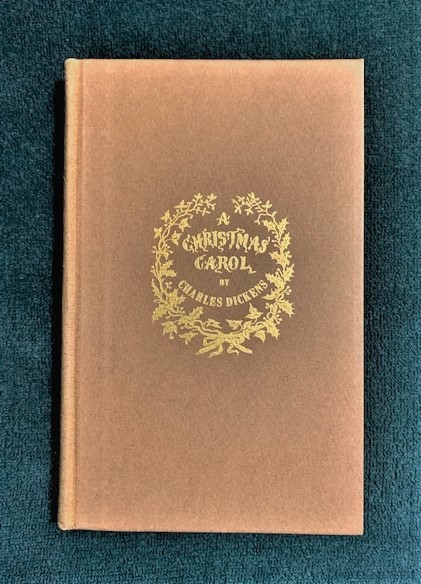
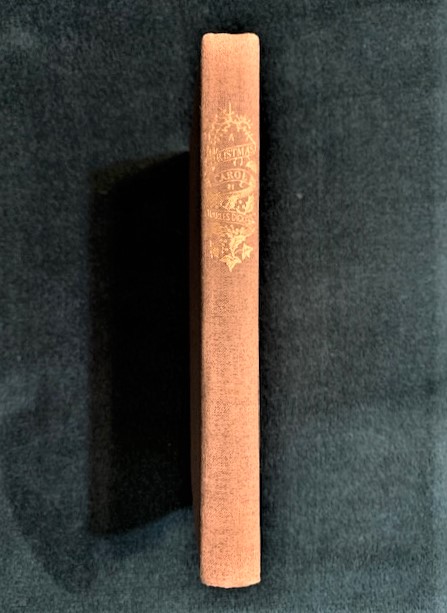
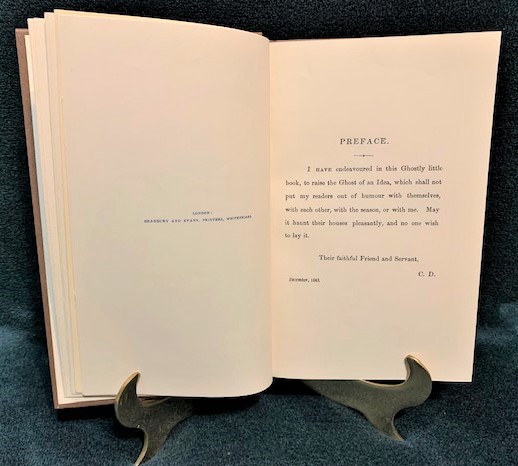
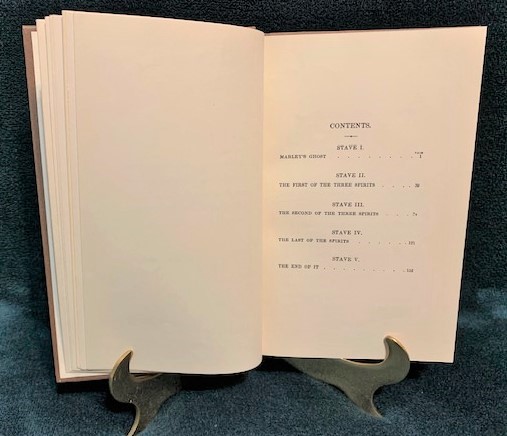
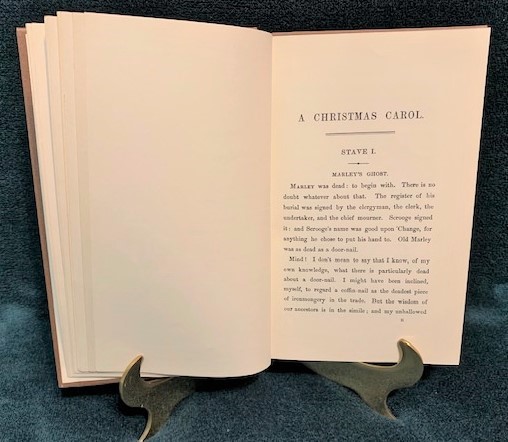
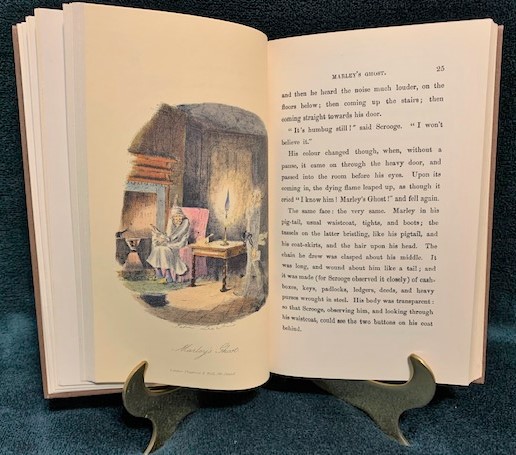
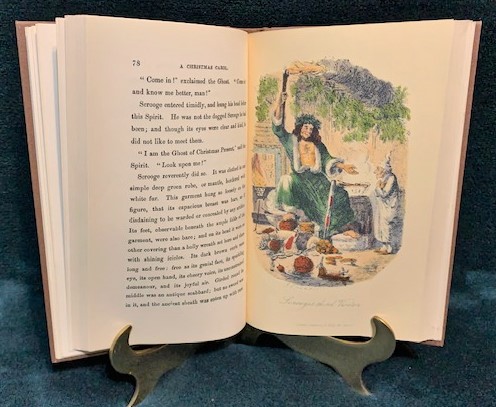
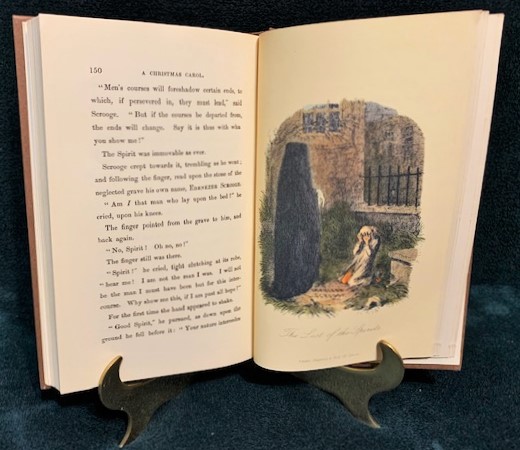
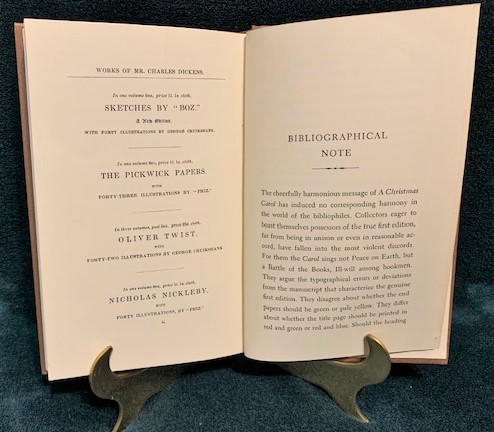
7) 1965 (and later) J. G. Ferguson Facsimile
Published by J. G. Ferguson Publishing Co., Chicago, Illinois.
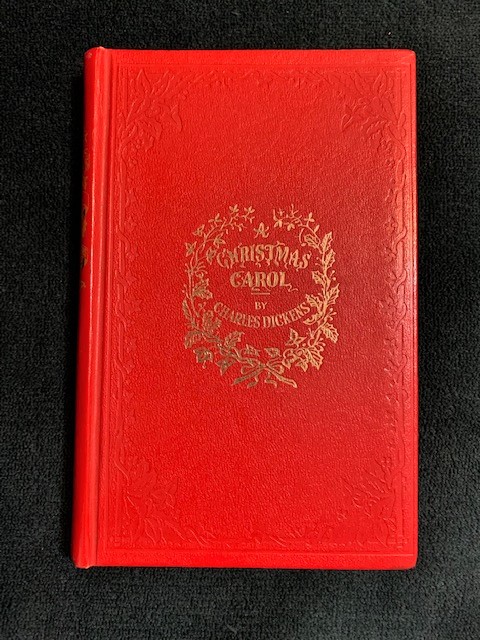
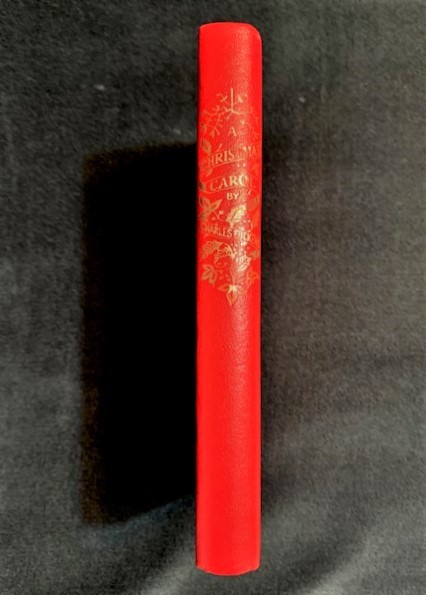
Binding: Bound in bright red-colored smooth faux leather cover with decorative blind-stamping front and back with the title and surrounding wreath stamped in gold gilt on the front and along the spine.
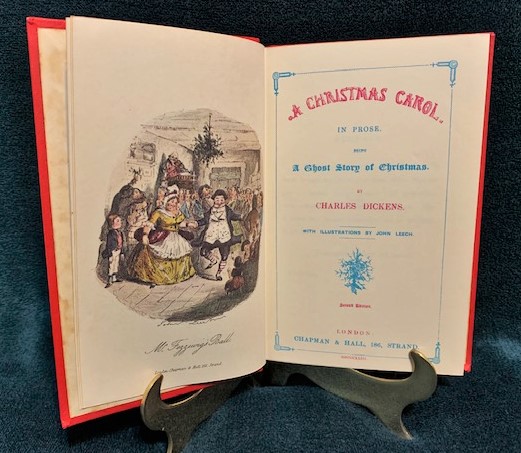
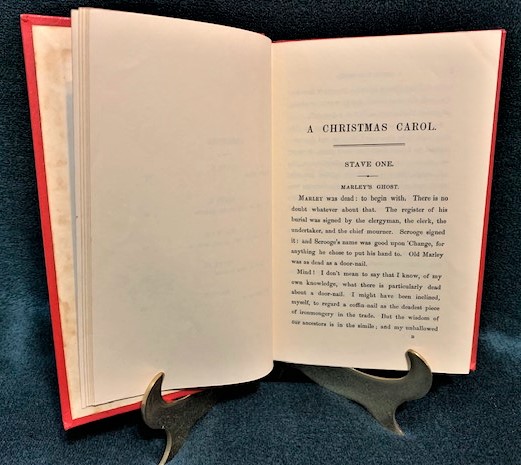
Contents: White end-papers, half-title page in black ink, “Fezziwigs Ball” illustration in color, red and blue title page, printers mark, preface page, contents page, 166 pages of text including 3 additional color and 4 black ink illustrations, and 1 doubled-sided page of the publishers advertisements.
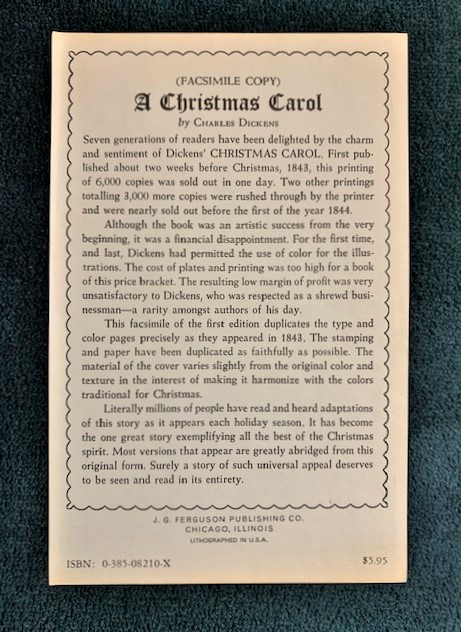
Comments: This edition has “Stave One” first chapter heading and the corrected text of the second edition. The blue ink on the title page of this edition is typically much lighter that other facsimile editions. Based on my research, it appears that the red cover Ferguson facsimile editions were first published in 1965. Numerous reprints of these books were also believed to have been published in the 1970’s and early 1980’s. There is evidence that some of these publications were issued with matching slipcases, however I have yet to see one in person. These facsimile editions were mass-produced, inexpensive and basic publications, and are almost always available for purchase on auction or used book websites.
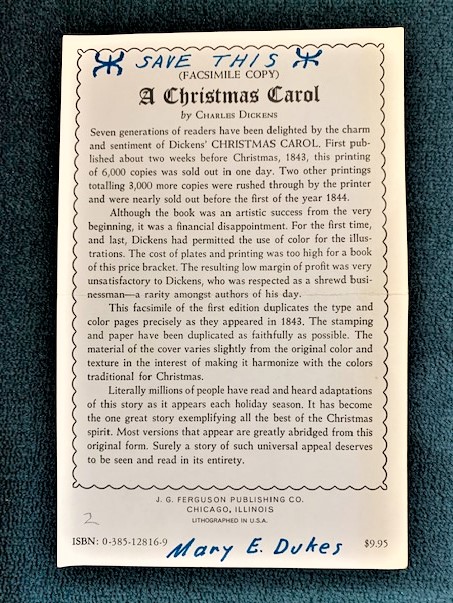
Please Note: All of the Ferguson facsimiles were published with a separate information card that included a short history of the first 1843 edition printing, a brief statement about the facsimile edition, the publishers name and city, and the ISBN number. Some of these information cards also included the price of the book. Since these information cards were not permanently attached within the books, they could easily become separated or lost. With no facsimile publisher date or information printed for these editions other than the separate publisher cards, they can easily be mistaken for an original first or early edition of the book by novice collectors. These are the facsimile editions most commonly mistaken for an original first or early edition.
8) 1967 Xerox Corporation Facsimile
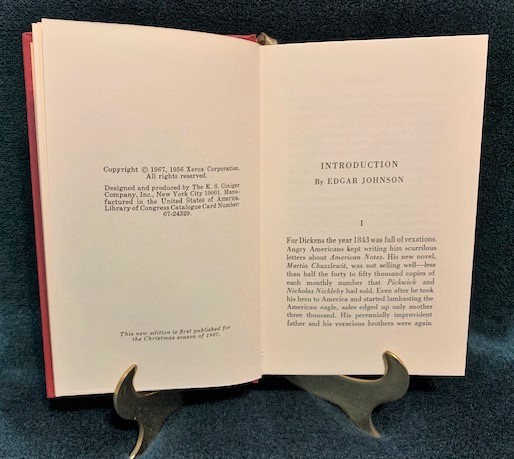
Published and copyrighted by Xerox Corporation, New York (a Giniger book published in association with University Microfilms Library Services, Ann Arbor, Michigan. Introduction by Edgar Johnson.
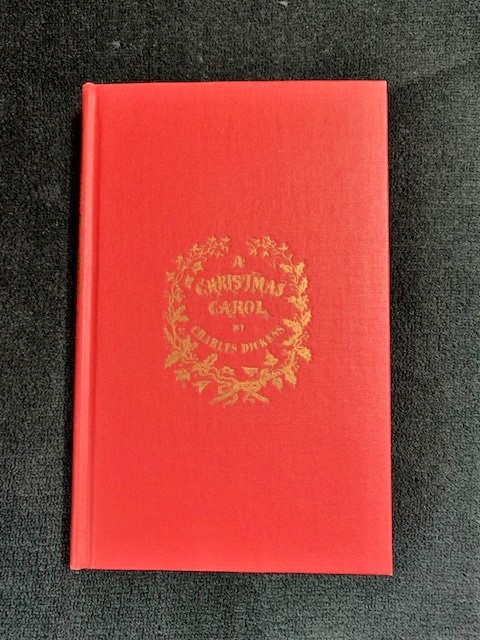
Binding: Bound in dark red-colored smooth cloth with the title and surrounding wreath stamped in gold gilt on the front cover and along the spine. Light green ribbon page marker bound in at head of spine.
Contents: White end-papers, “Fezziwigs Ball” illustration in color, facsimile publishers’ half-title, copyright statement, introduction as noted above, half-title page in black ink, red and blue title page, printers mark, preface page, contents page, 166 pages of text including 3 additional color and 4 black ink illustrations, and 1 double-sided page of the publishers advertisements.
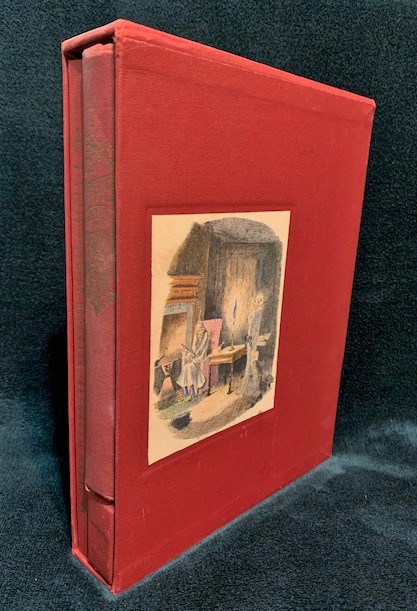
Comments: This edition maintains the original 1843 edition “Stave I” first chapter heading and the uncorrected text that was revised in the second edition. It was noted that the “Fezziwigs Ball” illustration this facsimile is located opposite the publishers title page, and not opposite the facsimile title page like the first edition. This facsimile was published as a two-volume set with “A Visit From St. Nicholas” by Clement C. Moore. Both books were issued in a matching red cloth-covered slipcase with color illustrations of “Marleys Ghost” and “Fezziwigs Ball” pasted down on the front and back. This is a decent facsimile edition, however the gold gilt of the title and decorations on the cover and spine are dull and faded on all copies I have examined.

In the boxed set with
“A Visit From St. Nicholas”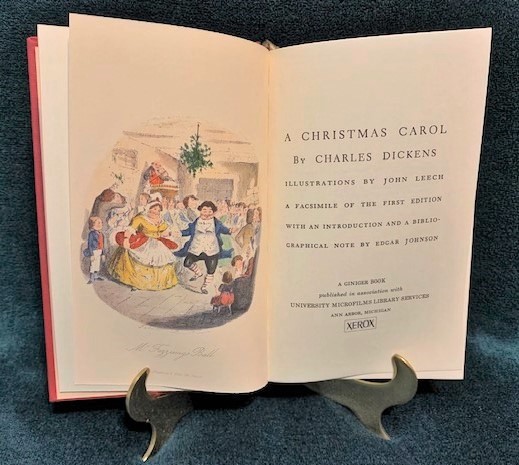
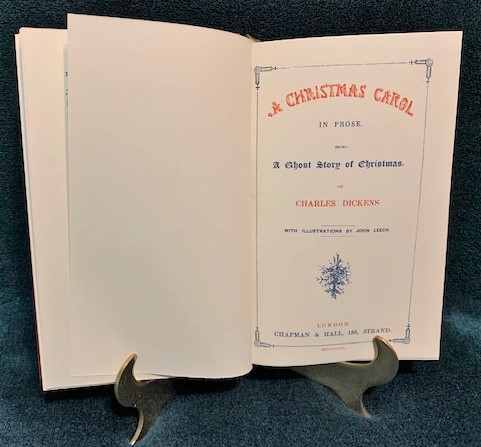
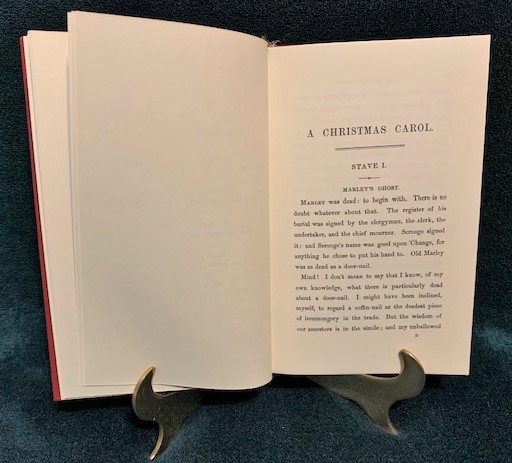
9) 1976 (and later) J. G. Ferguson Facsimile
Published by J. G. Ferguson Publishing Co., Chicago, Illinois.
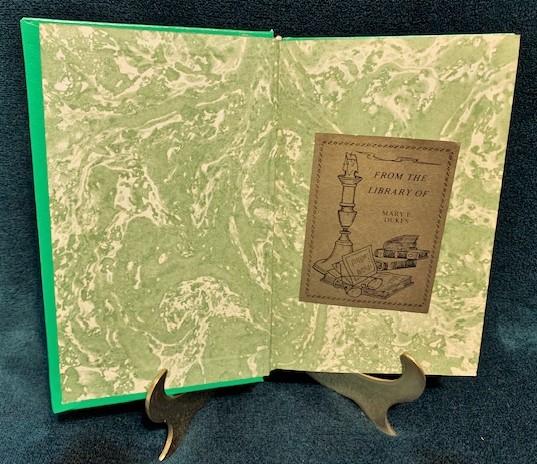
Binding: Bound in bright green-colored smooth padded faux leather cover with gold gilt decorations and title with surrounding wreath in gold gilt on the front cover and along the spine.
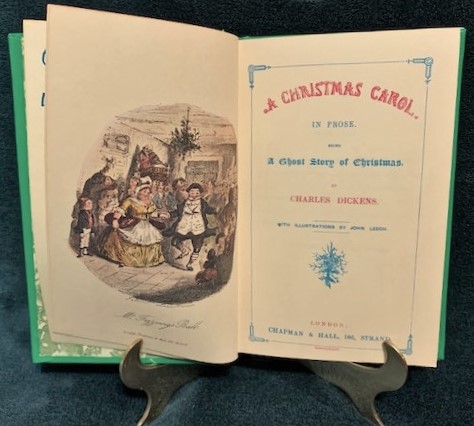
Contents: Green-marbled papers inside front and back covers, white end-papers, half-title page in black ink, “Fezziwigs Ball” illustration in color, red and blue title page, printers mark, preface page, contents page, 166 pages of text including 3 additional color and 4 black ink illustrations, and 1 doubled-sided page of the publishers advertisements.
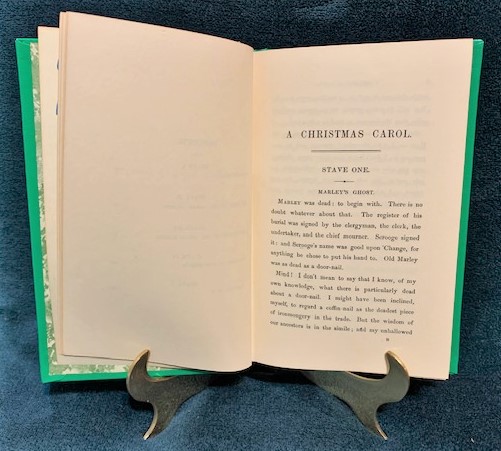
Comments: This edition has “Stave One” first chapter heading and the corrected text of the second edition. Like the previous Ferguson editions, the blue ink on the title page of this edition is typically much lighter that other facsimile editions. Based on my research, it is my belief the deluxe green cover Ferguson facsimile editions were first published in 1976, and were primarily sold by the Neiman Marcus department stores. It is possible that reprints of these books may also have been published in the early 1980’s. These facsimile editions were mass-produced, basic publications, and other than the gaudy green binding are the same as Ferguson’s original red-covered editions. These books are often available for purchase on auction or used book websites.
Please Note: All of the Ferguson facsimiles were published with a separate information card that included a short history of the first 1843 edition printing, a brief statement about this facsimile edition, the publishers name and city, the ISBN number and price of the book. Since these information cards were not permanently attached within the books, they could easily become separated or lost. With no facsimile publisher date or information printed for these editions other than the separate publisher cards, they can be mistaken for an original first or early edition of the book by novice collectors.
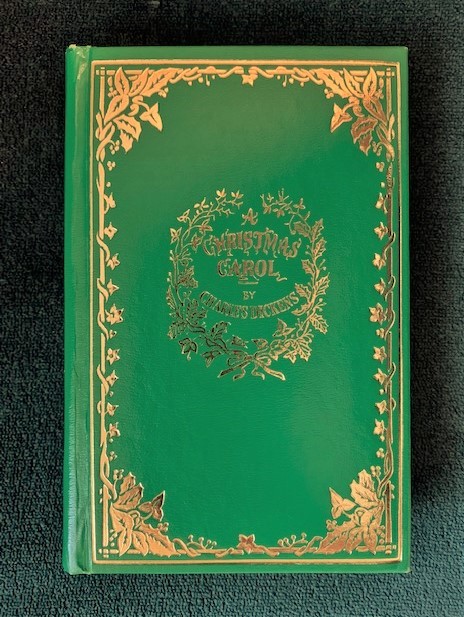
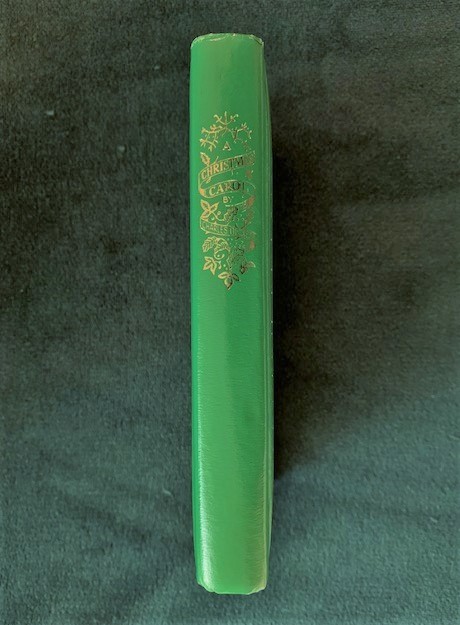

10) 1977 Yushodo Booksellers Facsimile
Published by Yushodo Booksellers Limited, Tokyo, Japan.
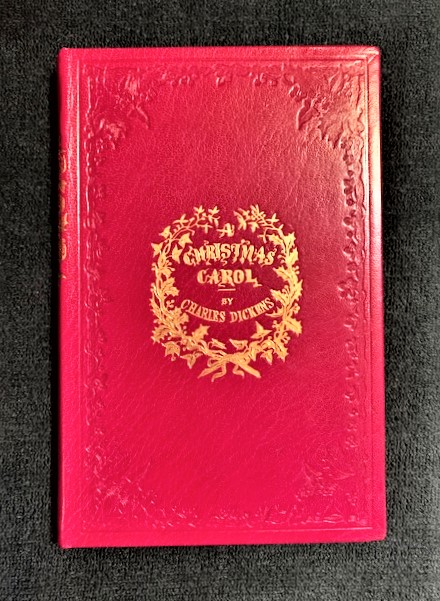
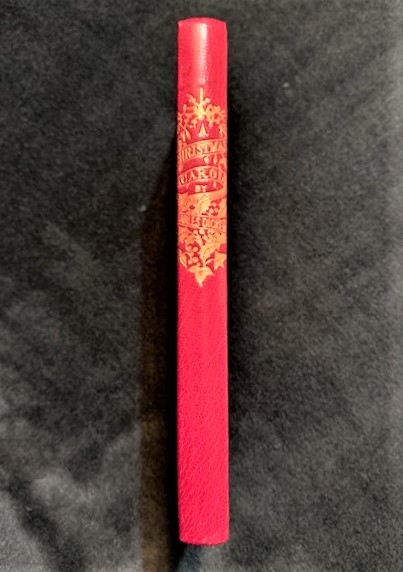
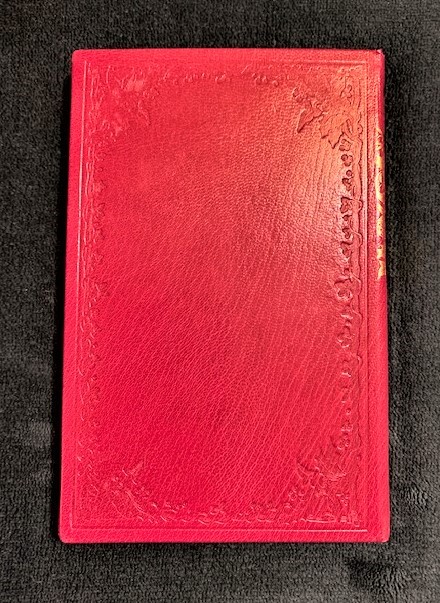
Binding: This edition was published in a fine binding of full burgundy-colored calf leather with decorative blind-stamping front and back with the title and surrounding wreath stamped in gold gilt on the front and along the spine, with gilt page edges.
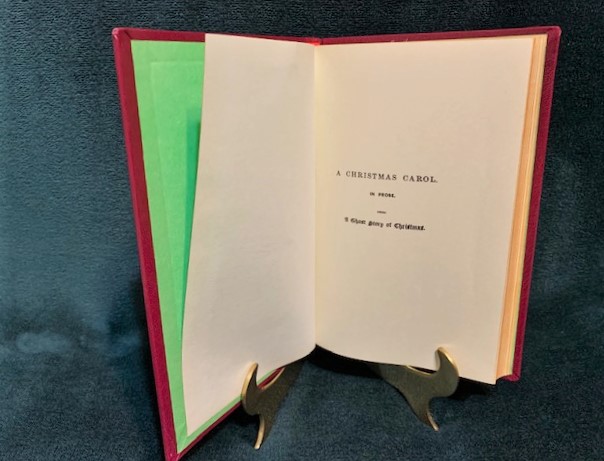
Contents: Green end-papers, half-title in blue ink, “Fezziwigs Ball” illustration in color, red and blue title page, printers mark, preface page, contents page, 166 pages of text including 3 additional color and 4 black ink illustrations, and 1 double-sided page of the publishers advertisements.
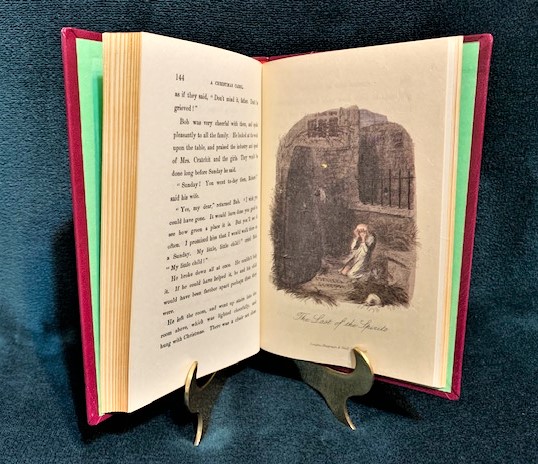
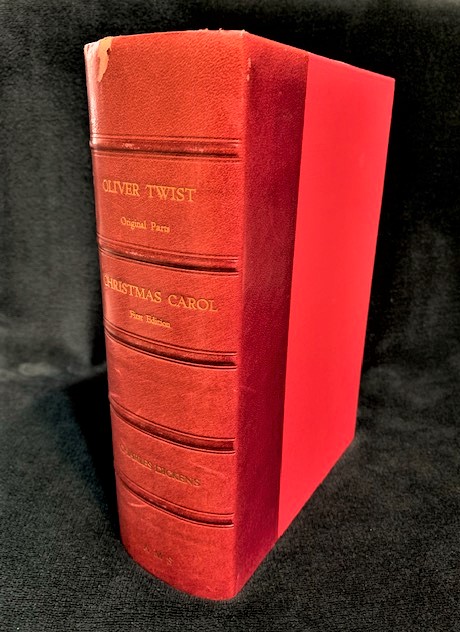
Comments: This facsimile edition was published together with a 10-volume facsimile set of the original first edition parts of “Oliver Twist” issued monthly in 1846. These books were issued in a large boxed red cloth-covered slipcase with red leather spine with raised bands that had both book titles and “Charles Dickens” embossed in gold gilt. This set of facsimile books, publisher’s information and slipcase was published in a limited edition of 600 sets for sale.
This facsimile edition of “A Christmas Carol” maintains the original 1843 edition “Stave I” first chapter heading and the uncorrected text that was revised in the second edition. One anomaly noted regarding this facsimile was the location of “The Last of the Spirits” illustration of Scrooge and the Ghost of Christmas Future. Normally located between pages 150-151 as in the first 1843 edition, this facsimile has it located between pages 144-145. This is a sleek, well detailed and attractive facsimile edition, and is quite scarce with only 600 being published.
Please Note: There is no facsimile publisher information or dates printed within this book to make it clear that it is a facsimile reprint of the first edition of “A Christmas Carol”. If separated from the slipcase and printed publisher’s information that it was issued with, this book could easily be mistaken for an original first or early edition of the book by novice collectors.
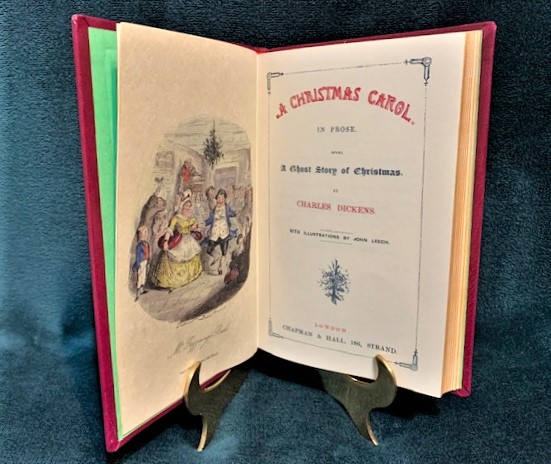
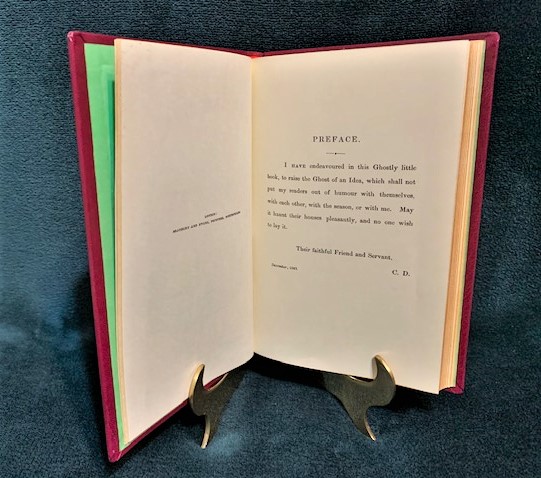
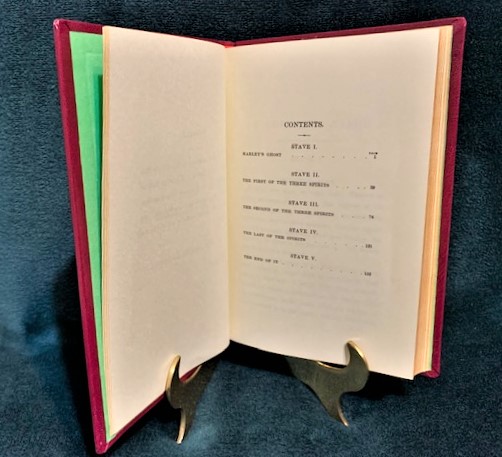
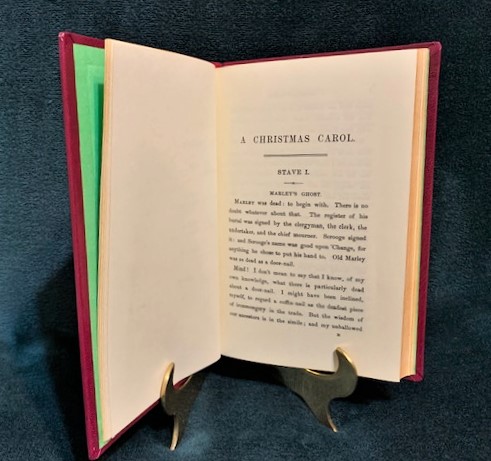
The Boxed Set of “A Christmas Carol” and “Oliver Twist”
11a) 1978 David Paradine Facsimile
Published by David Paradine Developments Limited, London, England.
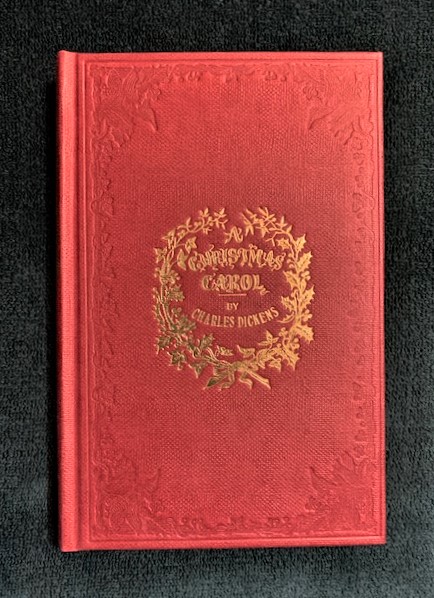
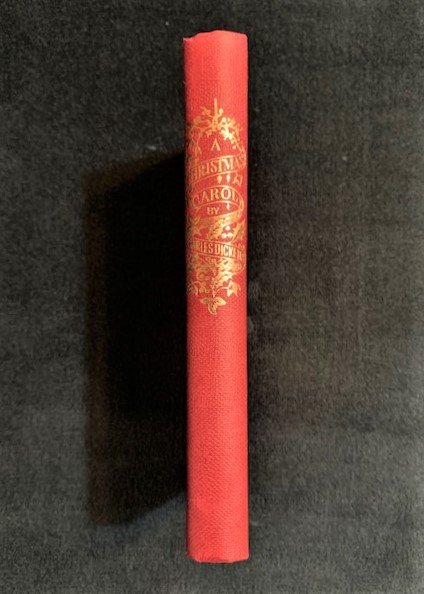
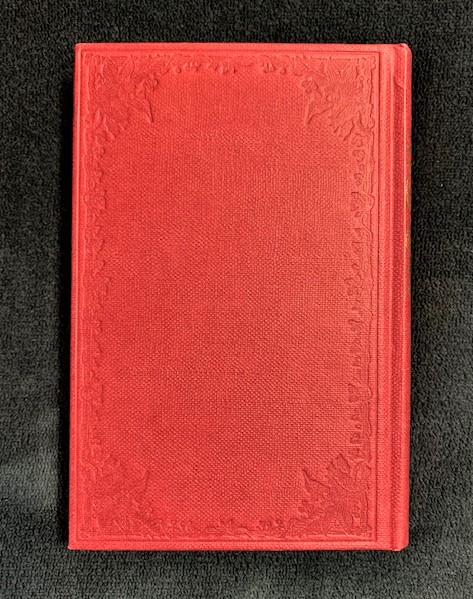
Binding: Bound in light burgundy-colored cloth with decorative blind-stamping front and back with the title and surrounding wreath stamped in gold gilt on the front and along the spine.
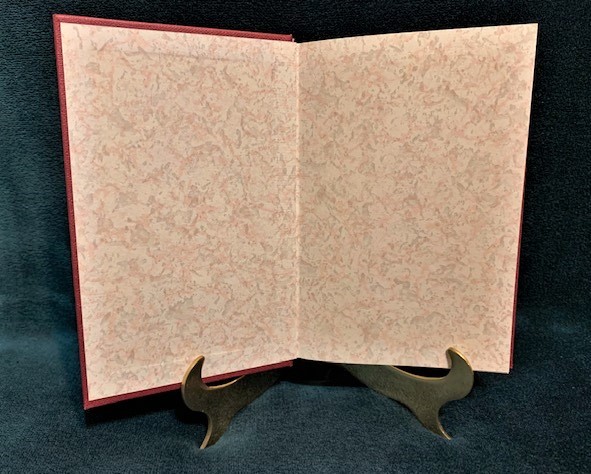
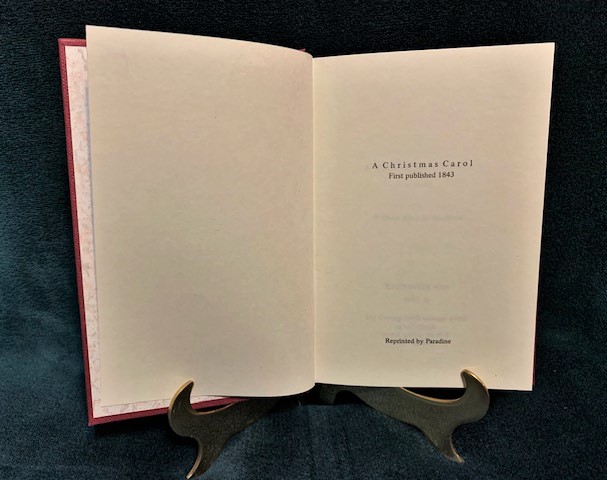
Contents: Pink and gray marbled papers inside front and back covers, off-white end-papers, facsimile publishers’ half-title, copyright statement and date, half-title page in blue ink, “Fezziwigs Ball” illustration in color, red and blue title page, printers mark, preface page, contents page, 166 pages of text including 7 additional black ink illustrations, and 1 double-sided page of the publishers advertisements.
Comments: This edition maintains the original 1843 edition “Stave I” first chapter heading and the uncorrected text that was revised in the second edition. The only illustration presented in color in this edition was “Fezziwigs Ball” opposite the title page. It was also noted that the “The Last of the Spirits” illustration of Scrooge and the Ghost of Christmas Future was located between pages 144-145. As in the first and subsequent editions, it is normally located between pages 150-151. This is a well made and attractive facsimile edition, but I would have liked to have seen all four of the main illustrations in color.
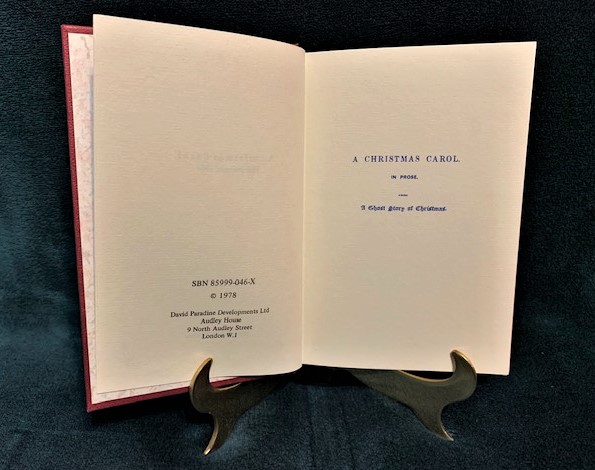
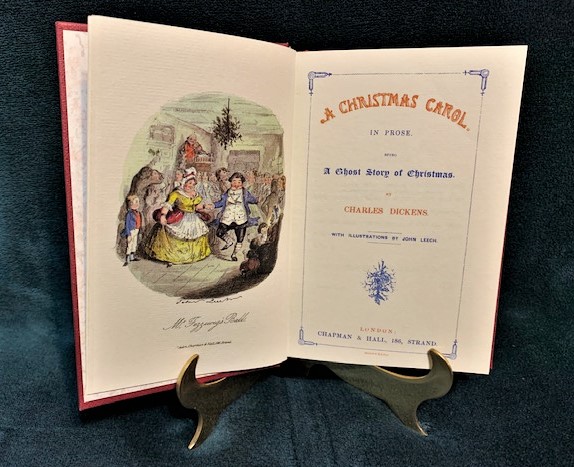
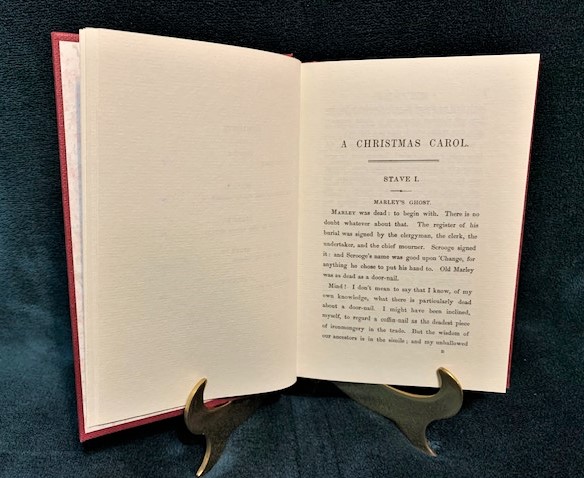
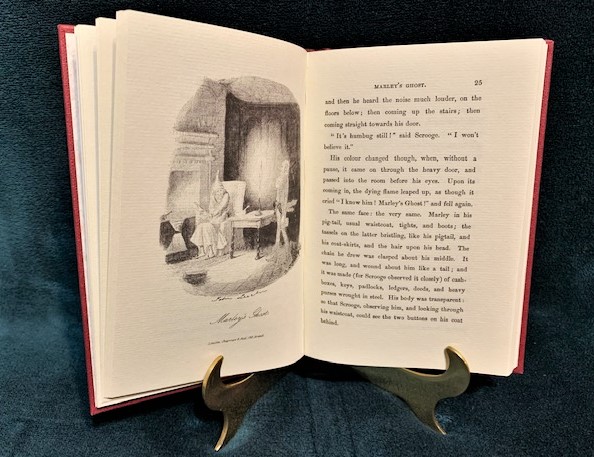
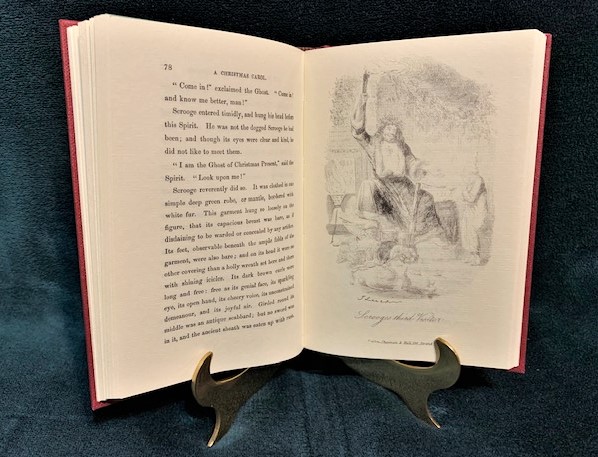
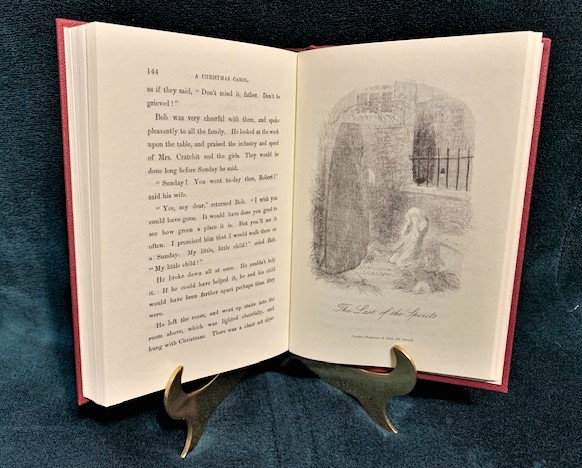
11b) 1978 D. Paradine Limited Edition Facsimile
Published by David Paradine Developments Limited, London, England.
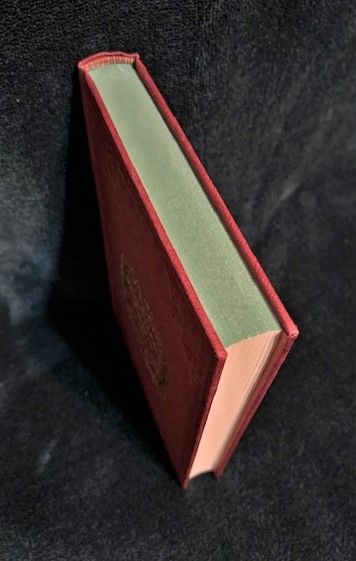
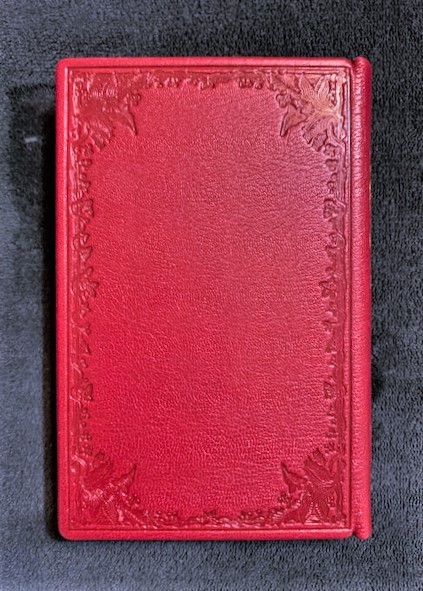
Binding: Finely bound in full dark burgundy-colored calf leather with decorative blind-stamping front and back with the title and surrounding wreath stamped in gold gilt on the front and along the spine. All page edges gilt.
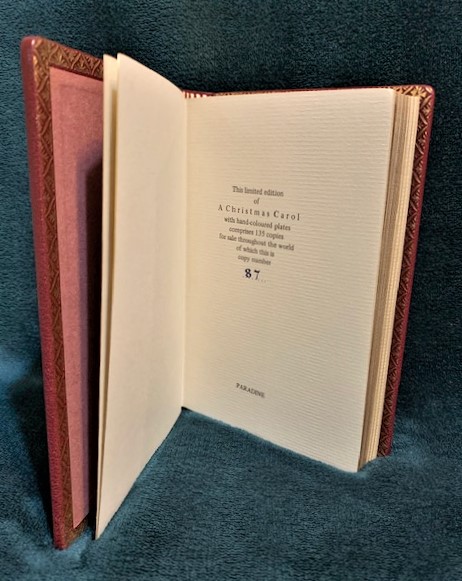
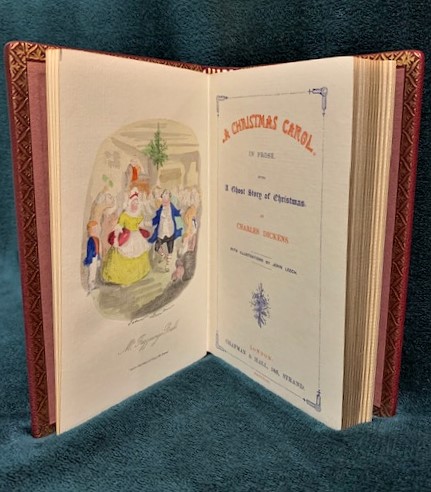
Contents: Light burgundy-colored papers inside front and back covers, off-white end-papers, limited edition statement page (this one is 87 of 135), facsimile publishers’ name, copyright statement and date, half-title page in blue ink, hand-colored “Fezziwigs Ball” illustration, red and blue title page, printers mark, preface page, contents page, 166 pages of text including 7 additional hand-colored illustrations, and 1 double-sided page of the publishers advertisements.
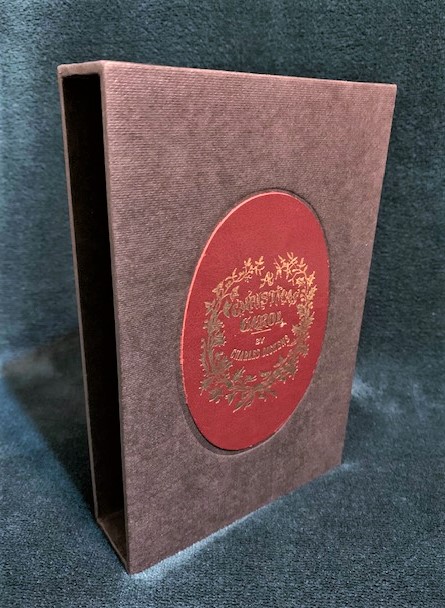
Comments: This edition maintains the original 1843 edition “Stave I” first chapter heading and the uncorrected text that was revised in the second edition. All 8 illustrations are hand-colored in this edition, however, portions of the 4 main full-page illustrations have not been completely colored. Like the basic issue Paradine facsimile edition above, the “The Last of the Spirits” illustration of Scrooge and the Ghost of Christmas Future has been located between pages 144-145. As in the first and subsequent editions, it is normally located between pages 150-151. This limited edition facsimile was issued in a handsome black slipcase that includes an oval of dark burgundy-colored calf leather with the title and surrounding wreath stamped in gold gilt attached to the front. This is a beautiful, well detailed and attractive facsimile edition, and is quite scarce with only 135 being published. The incomplete hand-coloring of the 4 main illustrations is the main drawback to this copy.
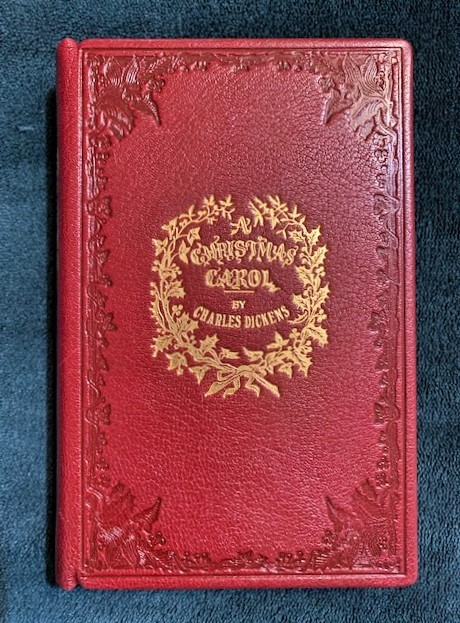
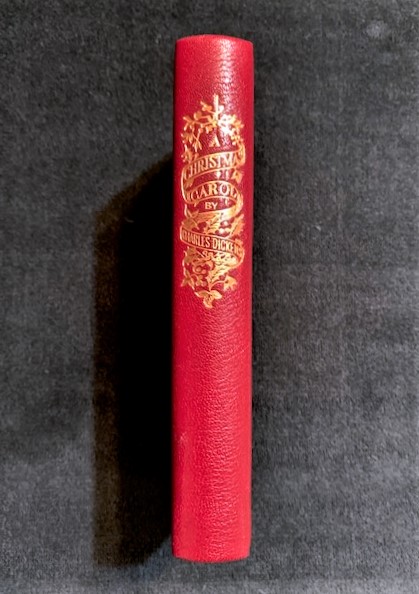
12) Circa 1980 American Heritage Facsimile
Published by the American Heritage Museum Collection.
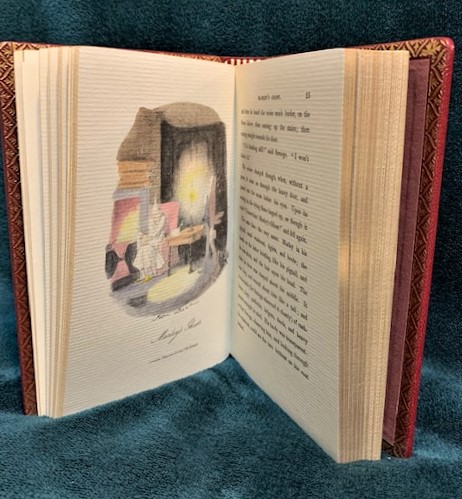
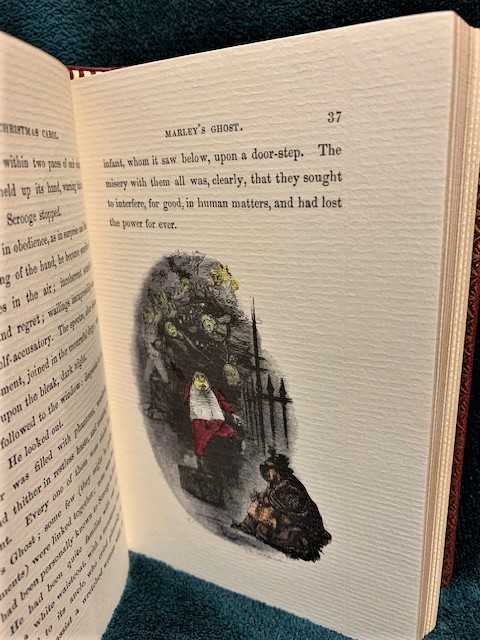
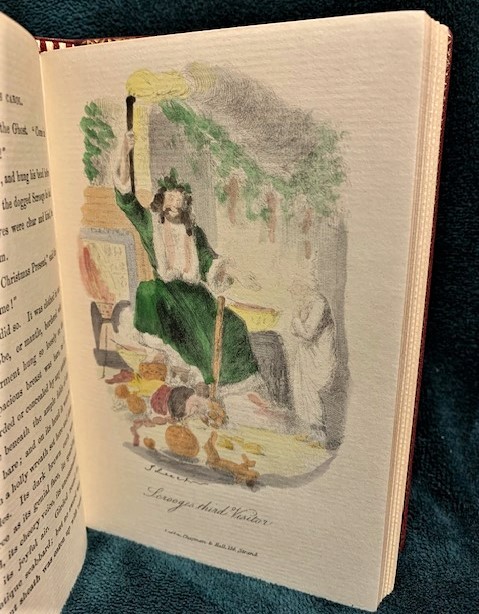
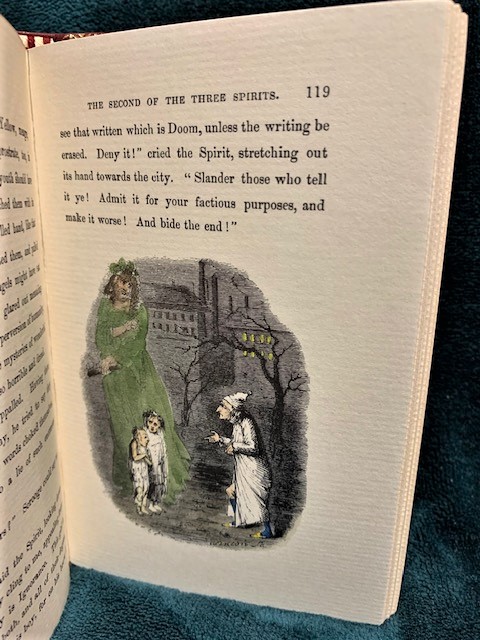
Binding: Finely bound in full bright red-colored calf leather with decorative blind-stamping on the front with the title, surrounding wreath and perimeter of cover stamped in gold gilt and the title and decorations along the spine. Top page edges gilt. Yellow ribbon page marker bound in at head of spine.
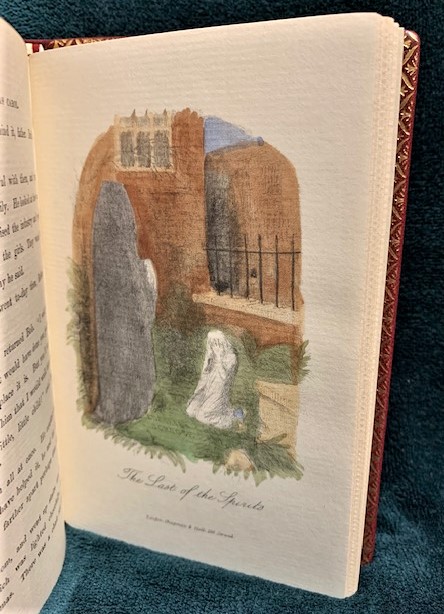
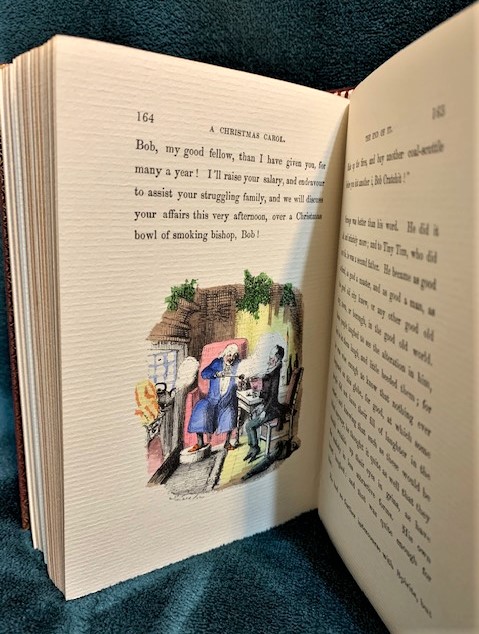
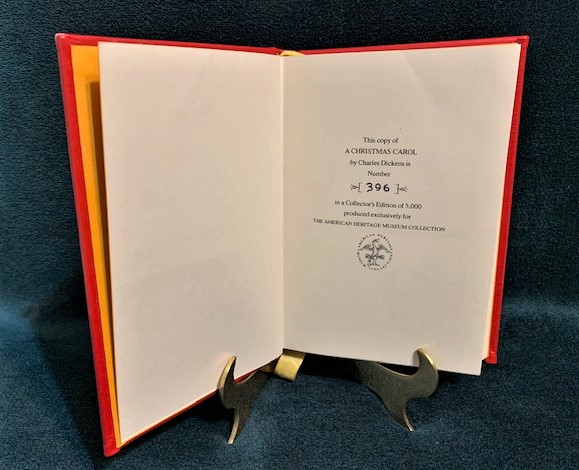
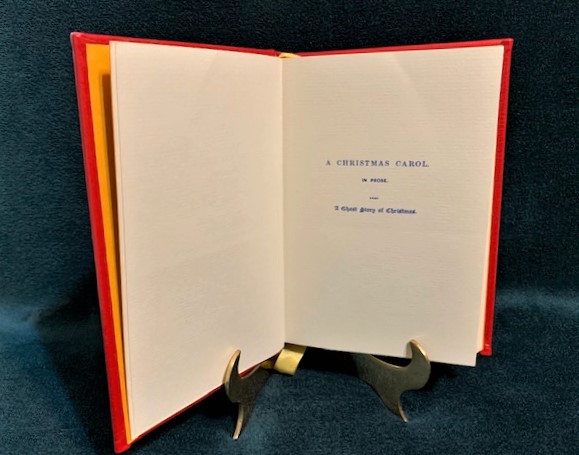
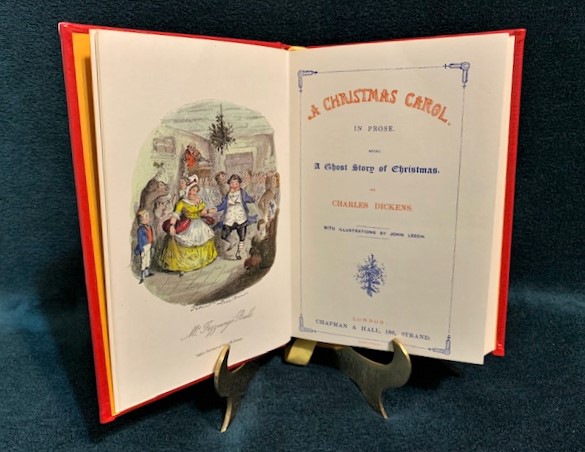
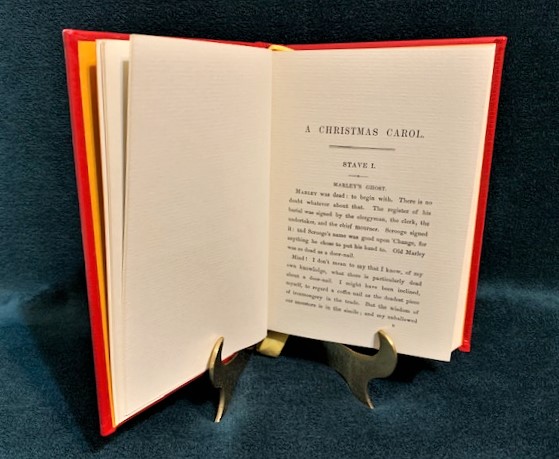
Contents: Light orange-colored papers inside front and back covers, off-white end-papers, facsimile publishers’ name and limited edition statement page (this one is 396 of 5,000), half-title page in blue ink, hand-colored “Fezziwigs Ball” illustration in color, red and blue title page, printers mark, preface page, contents page, 166 pages of text with 7 additional black ink illustrations, and 1 double-sided page of the publishers advertisements.
Comments: This edition maintains the original 1843 edition “Stave I” first chapter heading and the uncorrected text that was revised in the second edition. Only the first illustration of “Fezziwigs Ball” is in color in this edition. Like the 1977 Yushodo and 1978 Paradine facsimile and limited editions, the “The Last of the Spirits” illustration of Scrooge and the Ghost of Christmas Future was located between pages 144-145. As in the first and subsequent editions, it was normally located between pages 150-151. This is a well made and attractive facsimile edition, but I would have liked to have seen all four of the main illustrations in color like the first edition.
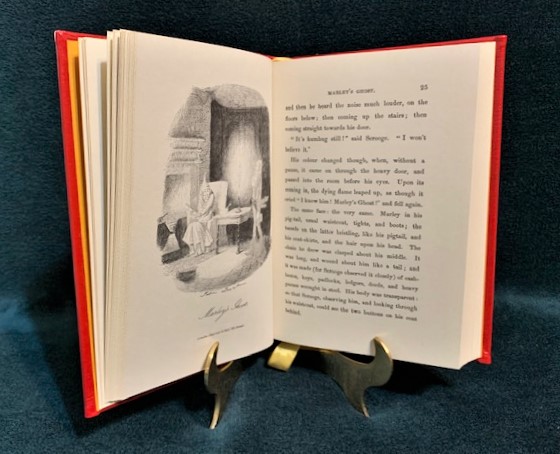
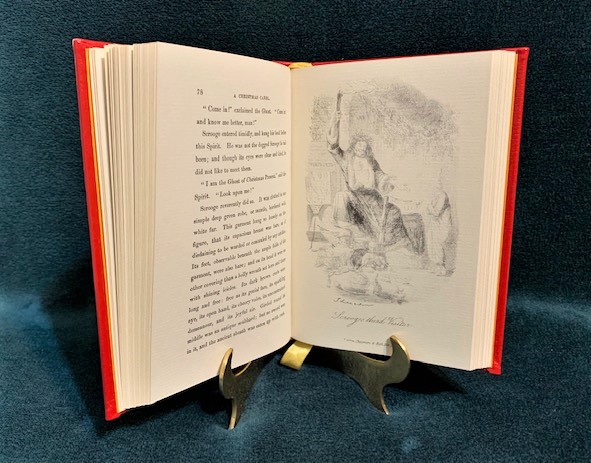
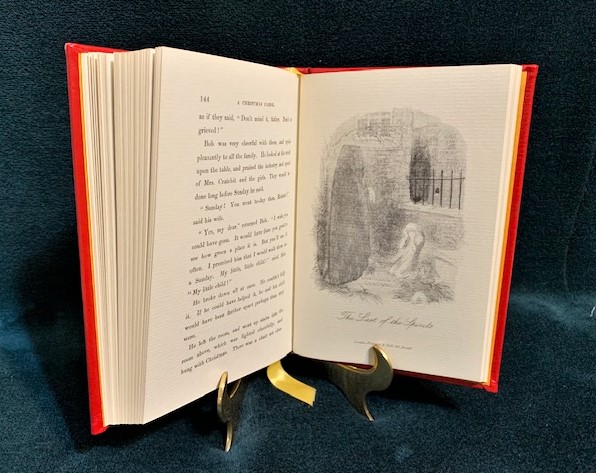
13) 1987 Nottingham Court Press Facsimile
Published by Nottingham Court Press, London, England.
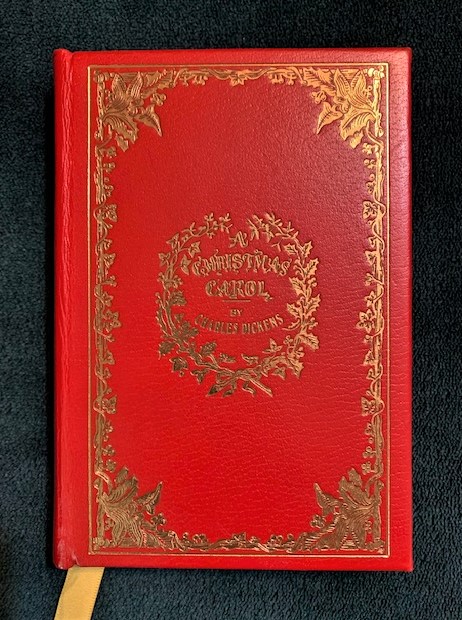
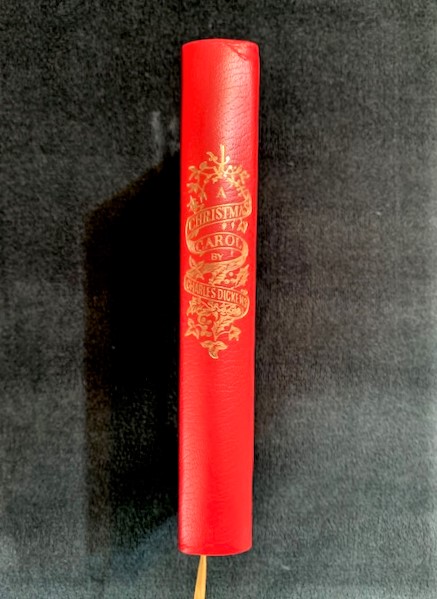
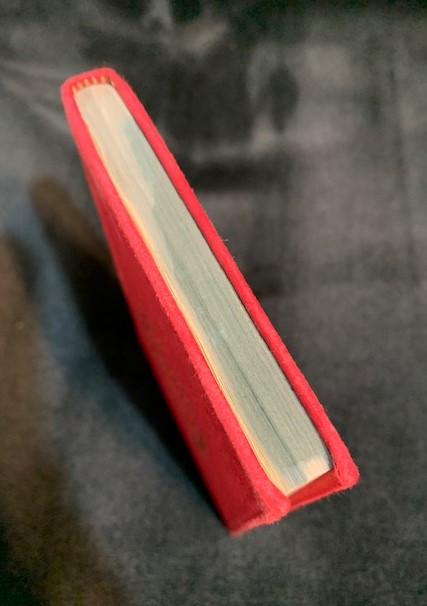
Binding: Bound in red-colored cloth with decorative blind-stamping front and back with the title and surrounding wreath stamped in gold gilt on the front and along the spine. Top page edges green.
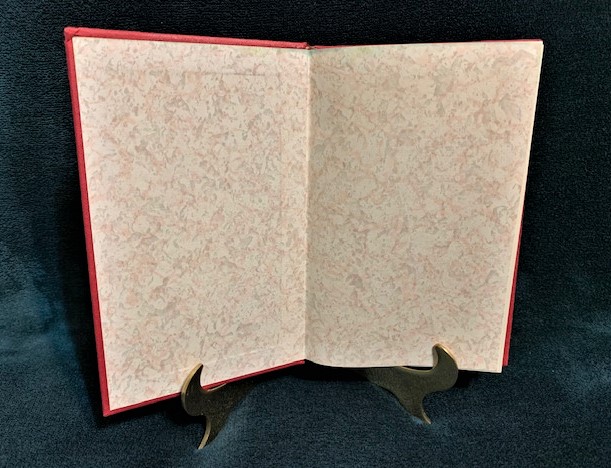
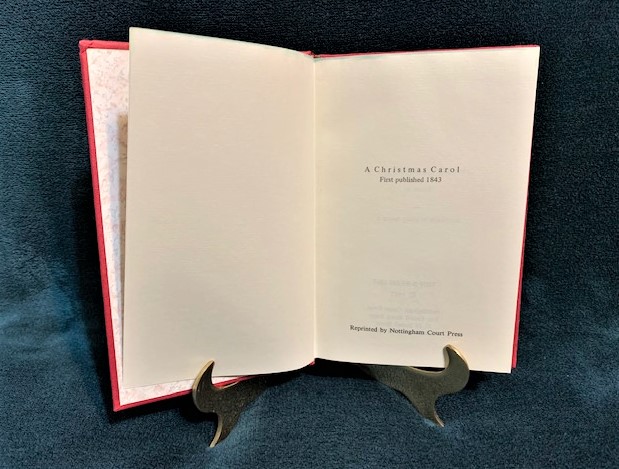
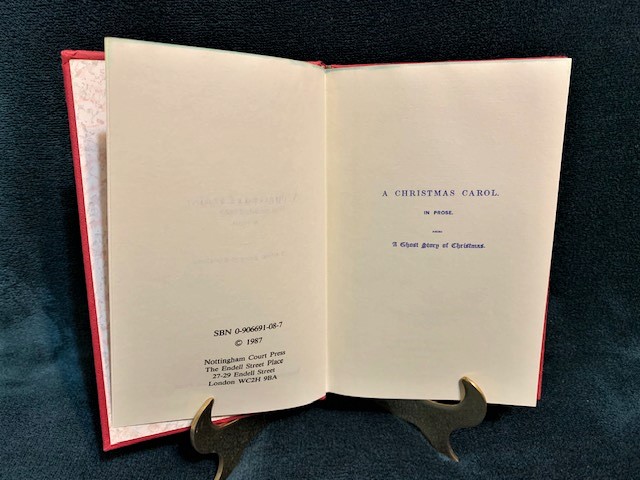
Contents: Pink and gray marbled papers inside front and back covers, off-white end-papers, facsimile publishers’ half-title, copyright statement and date, half-title page in blue ink, “Fezziwigs Ball” illustration in color, red and blue title page, printers mark, preface page, contents page, 166 pages of text including 7 additional black ink illustrations, and 1 double-sided page of the publishers advertisements.
Comments: This edition maintains the original 1843 edition “Stave I” first chapter heading and the uncorrected text that was revised in the second edition. The only illustration presented in color in this edition was “Fezziwigs Ball” opposite the title page. It was also noted that the “The Last of the Spirits” illustration of Scrooge and the Ghost of Christmas Future was located between pages 144-145. As in the first and subsequent editions, it is normally located between pages 150-151. This facsimile is slightly smaller and thinner than other Carol facsimiles, but is a decent edition. I have not seen very many of these for sale in recent years.
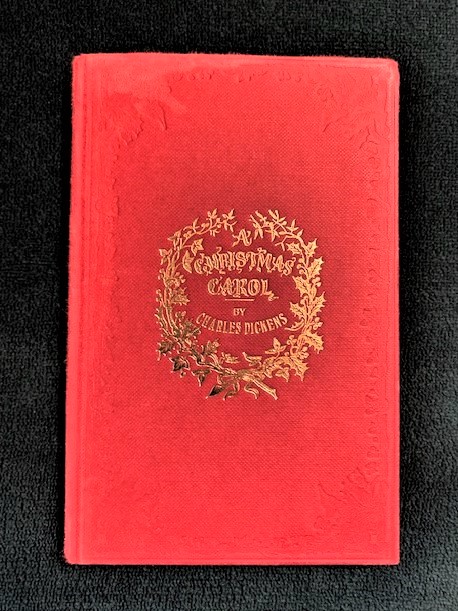


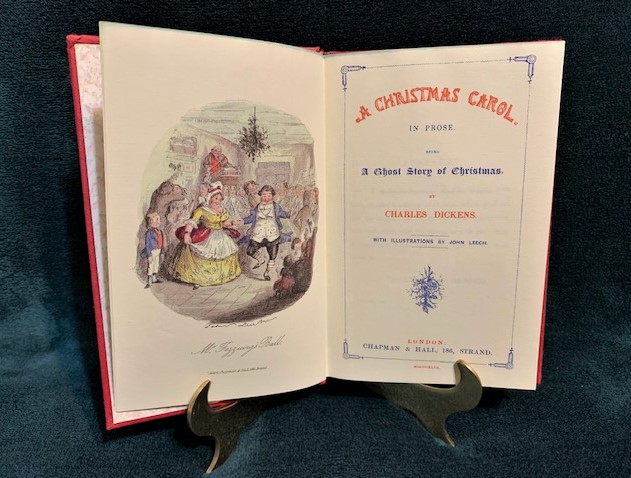
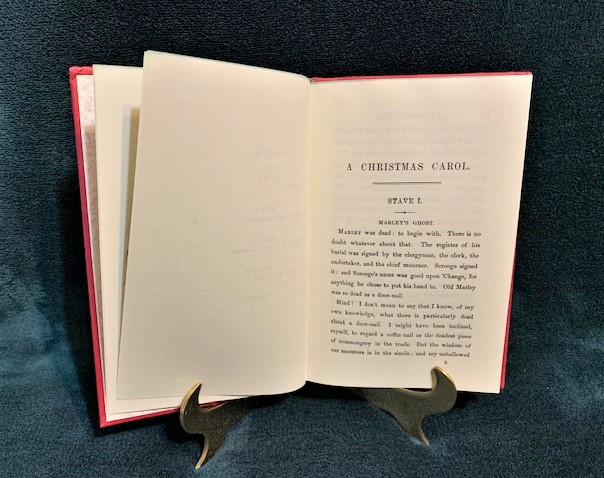
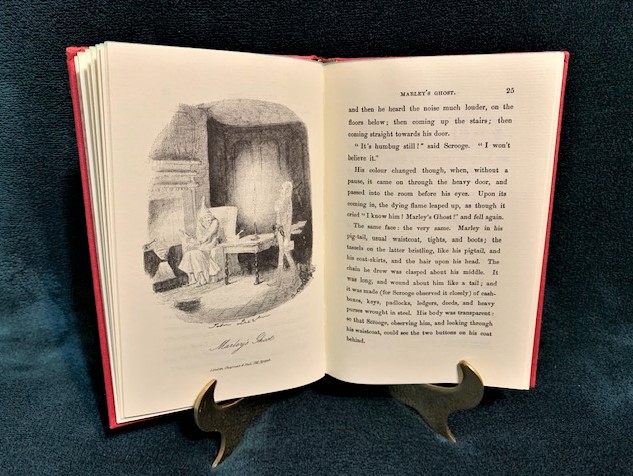
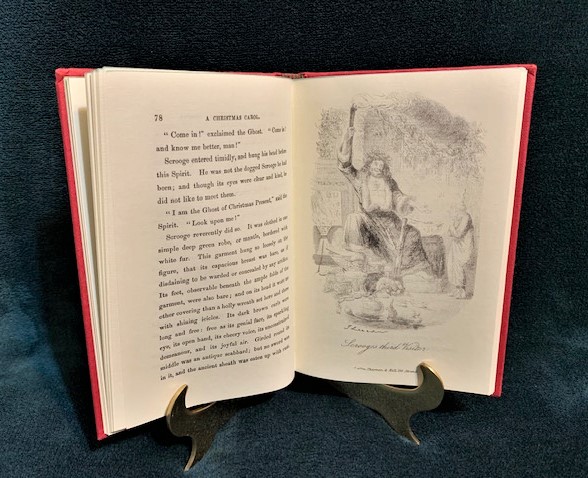
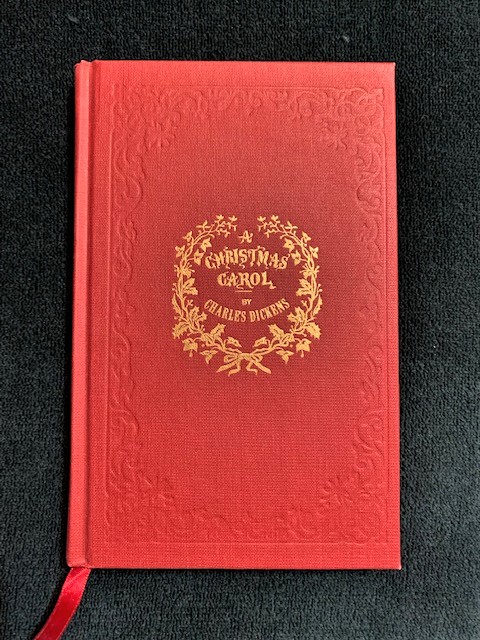
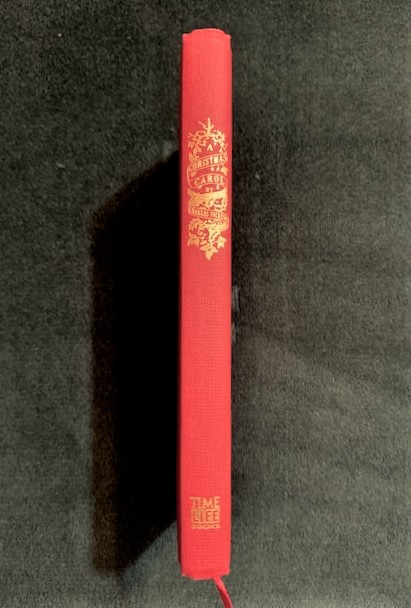
14) Circa 1992 Time-Life Books Facsimile
Published by Time-Life Books Custom Publishing.
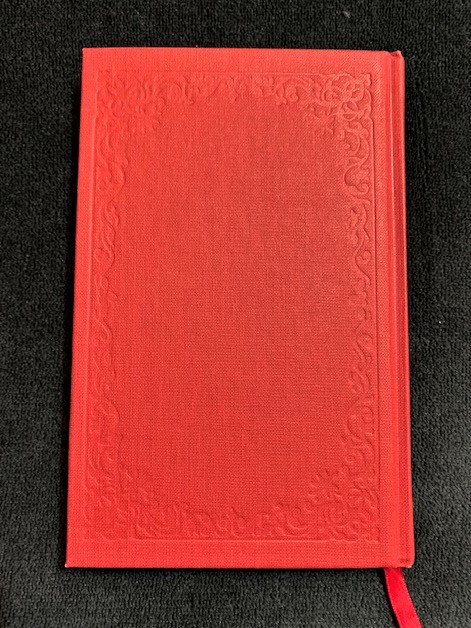
Binding: Bound in red-colored cloth with decorative blind-stamping front and back with the title and surrounding wreath stamped in gold gilt on the front and along the spine. All page edges gilt. The publishers’ name is printed at the base of spine. A Red ribbon page marker bound in at head of spine.
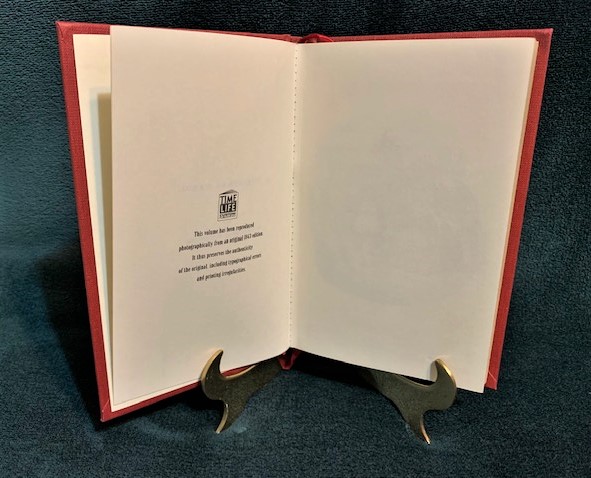
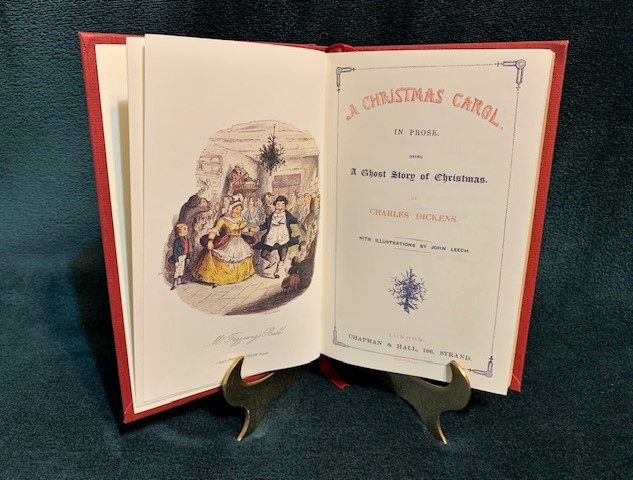
Contents: White end-papers, half-title page in black ink, facsimile publishers’ statement, “Fezziwigs Ball” illustration in color, red and blue title page, printers mark, preface page, contents page, 166 pages of text including 3 additional color and 4 black ink illustrations, and 1 doubled-sided page of the publishers advertisements.
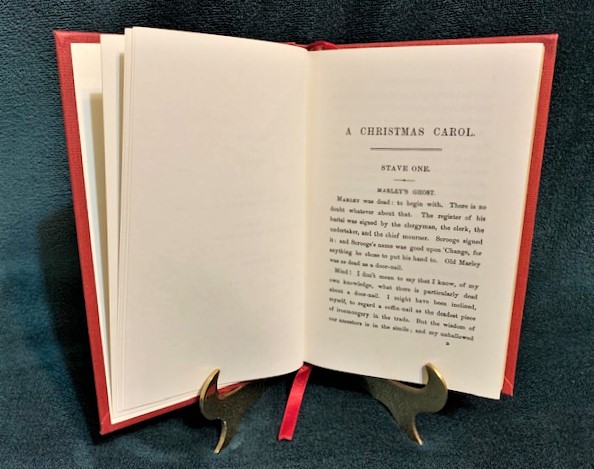
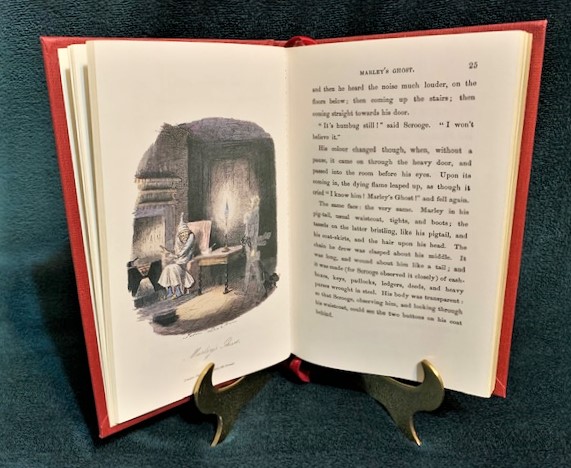
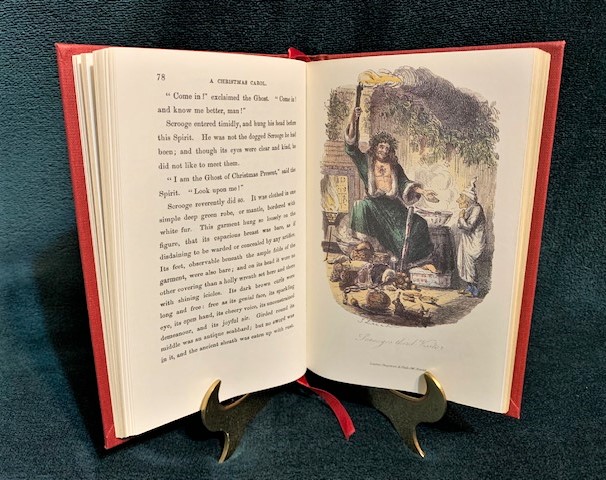
Comments: Even though the publisher states “This volume has been reproduced photographically from an original 1843 edition and it thus preserves the authenticity of the original, including typographical errors and printing irregularities”, this edition has the “Stave One” first chapter heading and the corrected text of the second edition. This facsimile of “A Christmas Carol” was published in a five-volume set that included the other four Christmas books by Dickens. These books were housed in a matching red cloth-covered slipcase. This is a well made and attractive facsimile edition of the “Carol”, and having the set of five Time-Life Christmas books is a must for Dickens’ collectors.
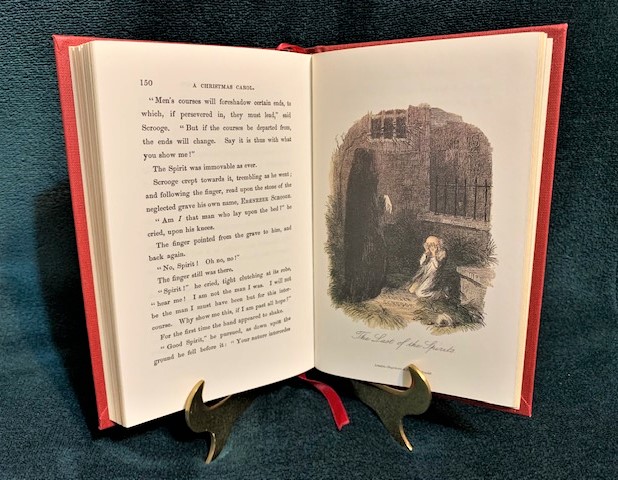
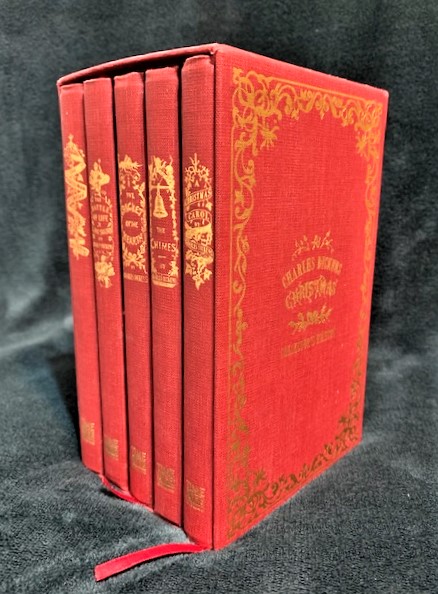
Boxed Set of the Five Christmas Books
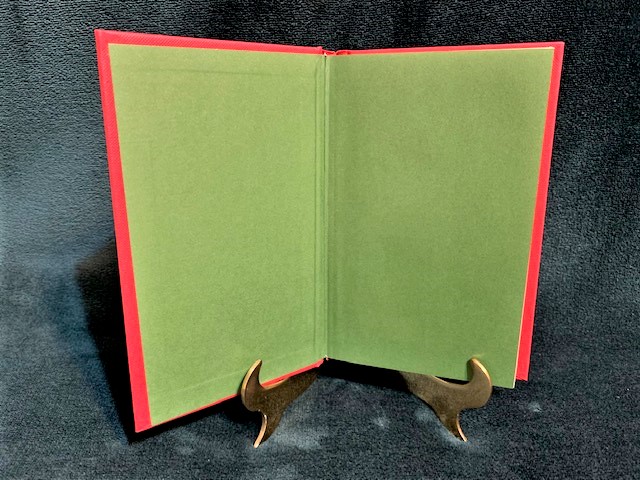
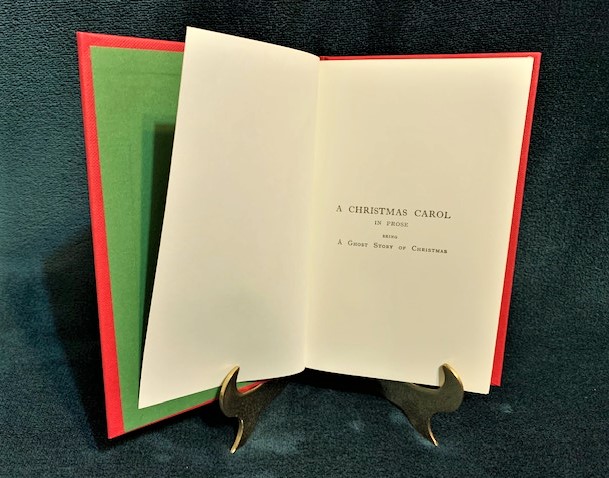
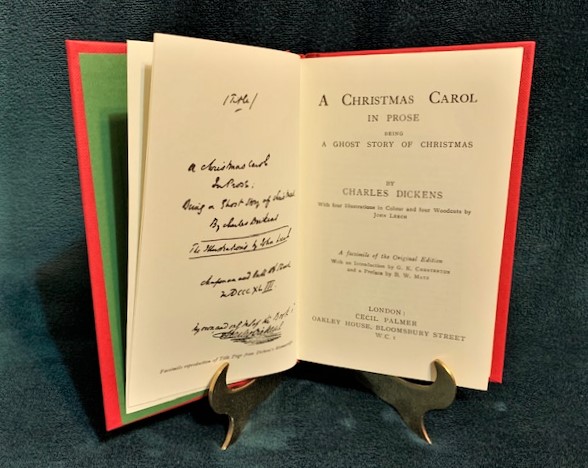
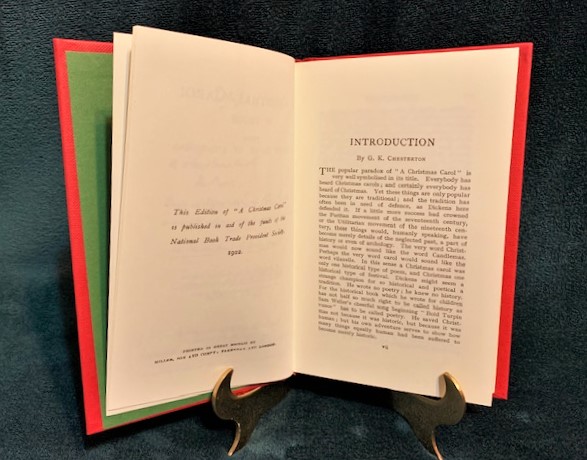
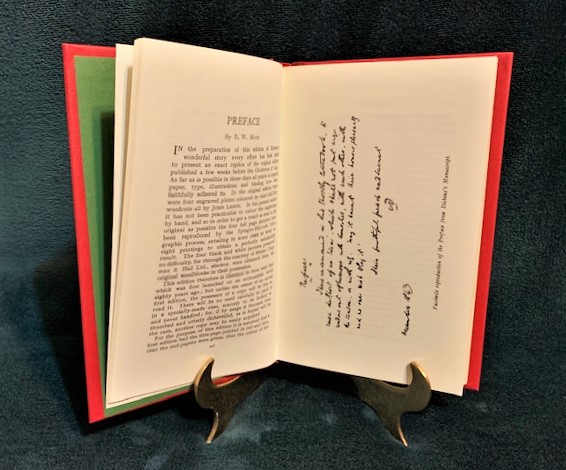
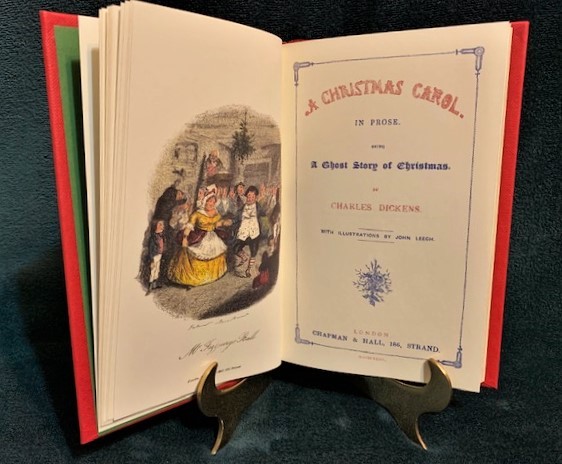
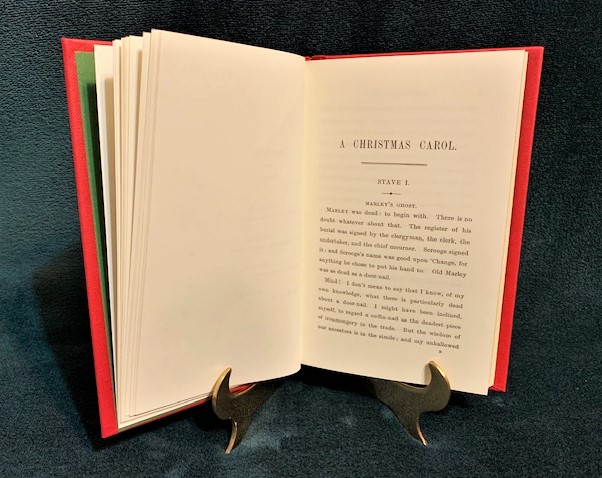
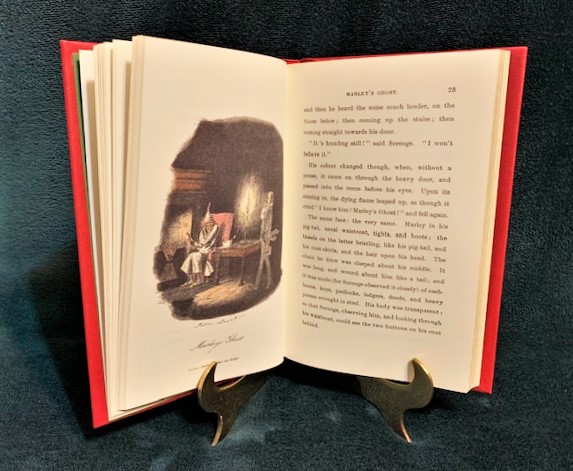
15) 2012 Arcturus Publishing Facsimile
Published by Arcturus Publishing Limited, London, England. Introduction by G. K. Chesterton, and preface by B. W. Matz.
Binding: Bound in red-colored smooth cloth with decorative blind-stamping front and back with the title and surrounding wreath stamped in gold gilt on the front and along the spine, with gilt page edges.
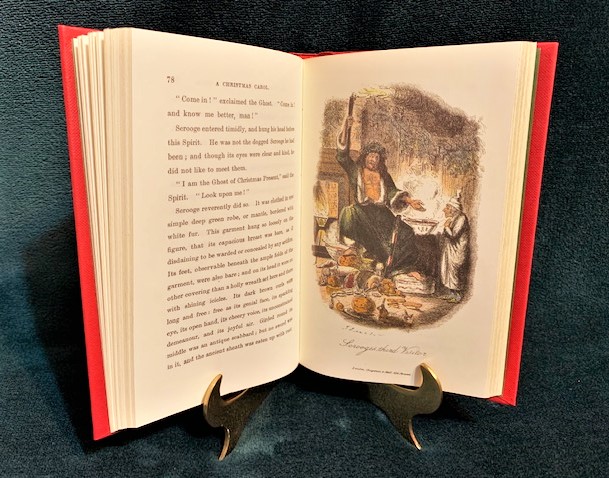
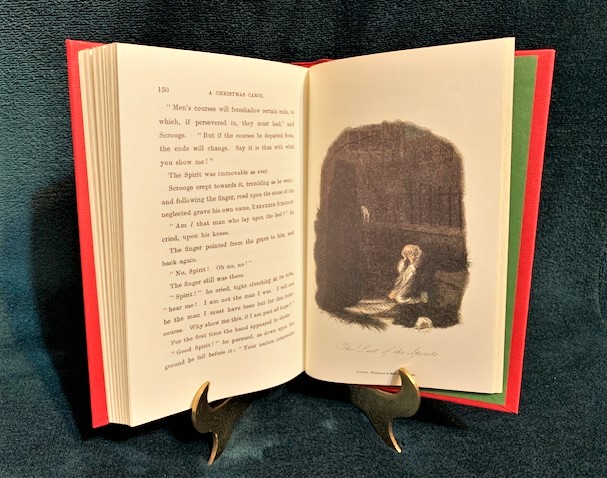
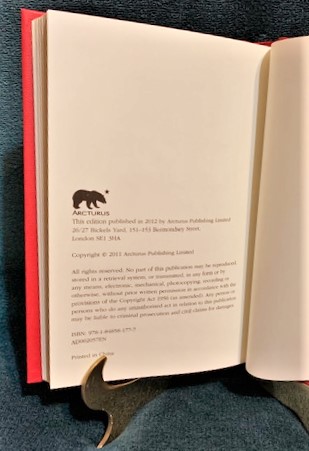
Contents: Green end-papers, facsimile publishers’ half-title, a facsimile of the handwritten manuscript title page, 1922 Cecil Palmer facsimile title page, copyright statement, G. K. Chesterton introduction, B. W. Matz preface, and a list of illustrations. The facsimile edition portion includes a half-title page, “Fezziwigs Ball” illustration in color, red and blue title page, printers mark, preface page, contents page, 166 pages of text including 3 additional color and 4 black ink illustrations, 1 double-sided page of the publishers advertisements, and facsimile publishers information, date and copyright on the back end-paper.
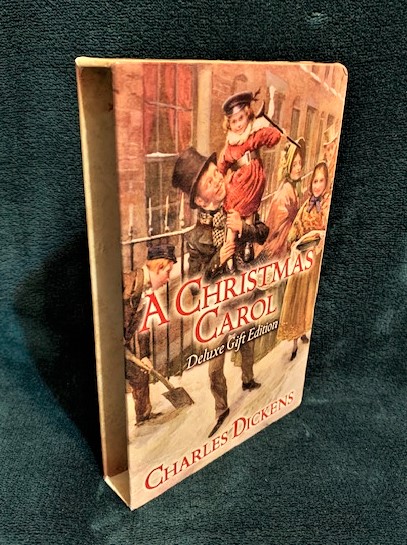
Comments: I believe this is the first “Carol” facsimile of a facsimile. Originally published by Cecil Palmer, London, England in 1922, this reissued facsimile edition was first published in 2011 and reprinted each year (I believe) through 2019. As in the 1922 facsimile, this edition maintains the original 1843 edition “Stave I” first chapter heading; however, all other text corrections have been made that are consistent with the second edition published in early 1844 (still dated 1843). The 2012 edition I have pictured below was issued with a nice full-color slipcase. These facsimile editions were mass-produced, but are well made and attractive. These are usually available for purchase at reasonable prices around the holidays.
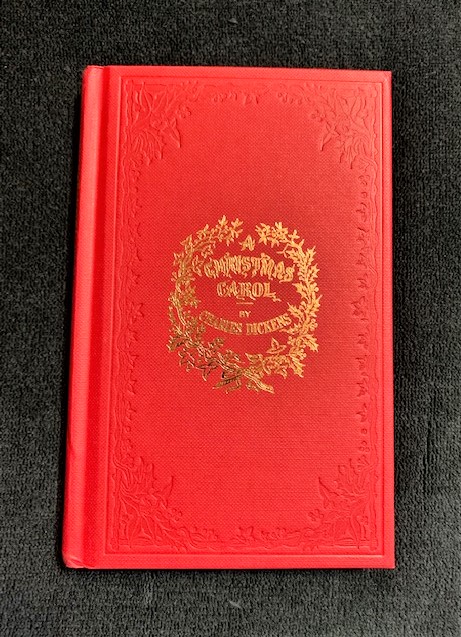

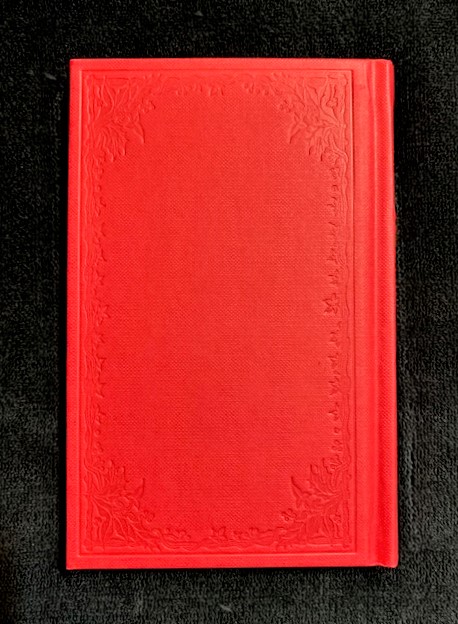
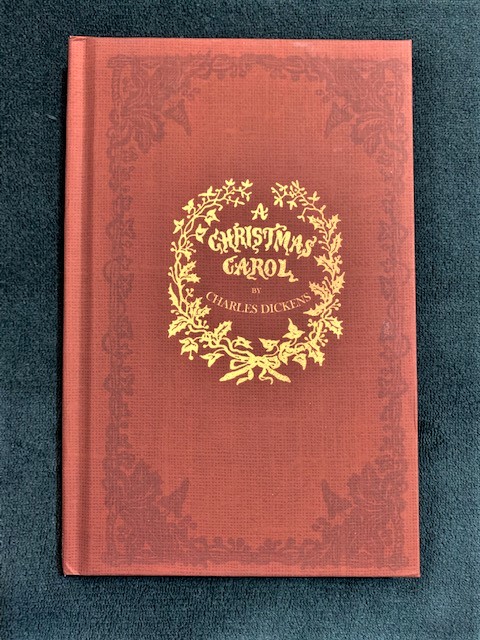
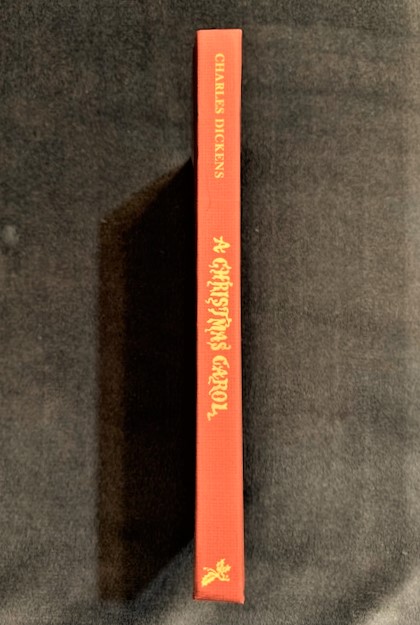
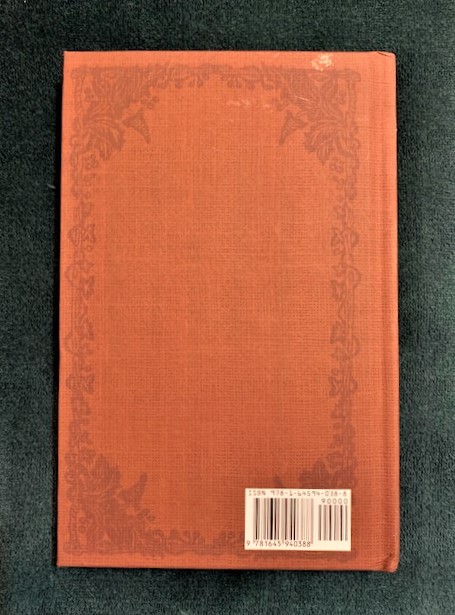
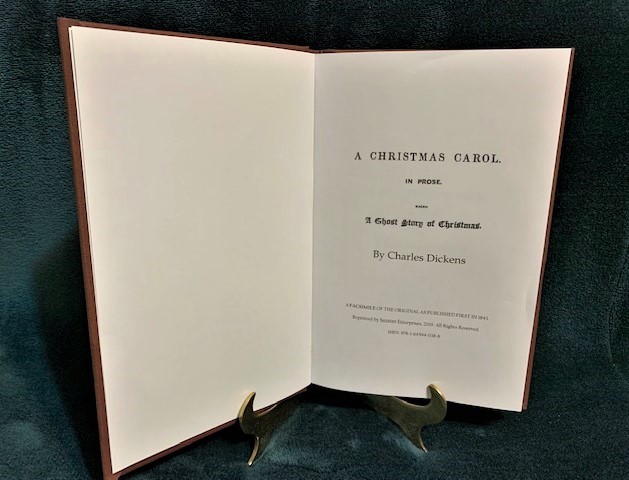
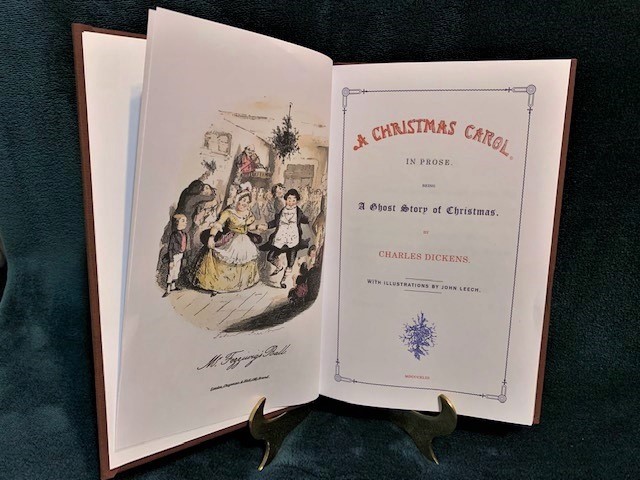
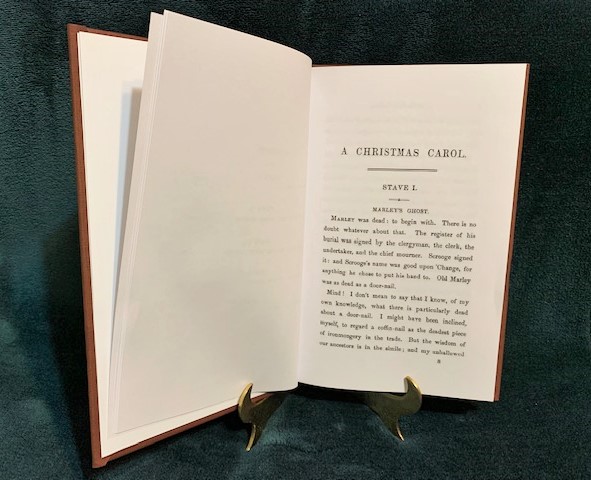
16) 2019 Suzeteo Enterprises Facsimile
Published by Suzeteo Enterprises, Greenwood, Wisconsin. Published 2016 (under Athanatos Publishing Group) and 2019 (Suzeteo Enterprises).
Binding: Bound in dark brown-colored synthetic faux cloth material over boards. Title and surrounding wreath is printed in yellow on front cover and “Charles Dickens”, title, and mistletoe sprig are printed in yellow on the spine. The perimeter edges of front and back cover have the hint of faux decorative blind-stamping printed in dark brown. Lower right corner of back cover has ISBN number and bar code in black and white.
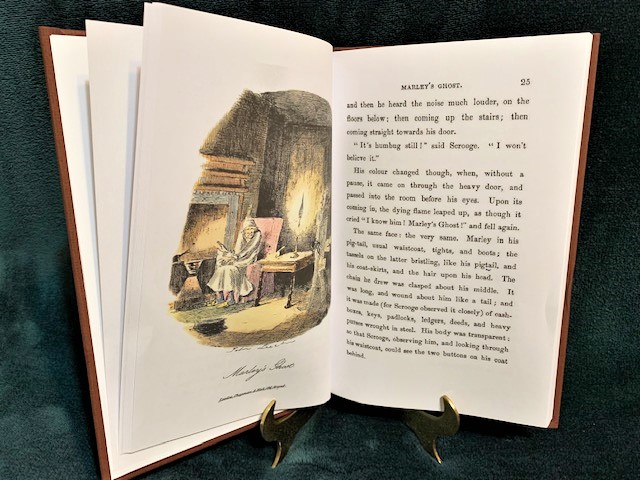
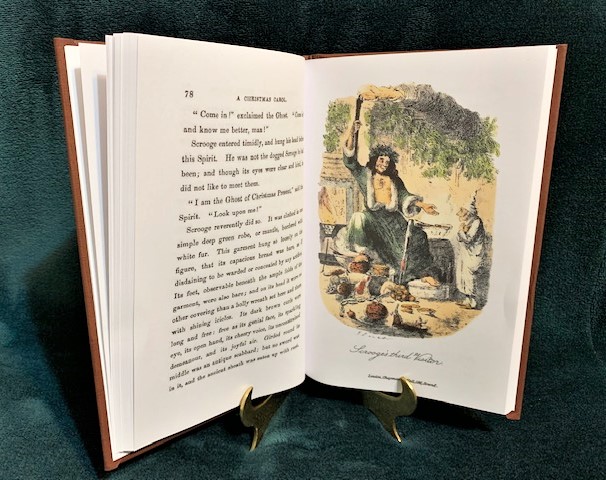
Contents: White end-papers, facsimile publishers’ title page with facsimile statement, publishers’ name, date and ISBN number. This facsimile edition includes the half-title page, “Fezziwigs Ball” illustration in color, red and blue title page, preface page, contents page, 166 pages of text including 3 additional color and 4 black ink illustrations, and 1 double-sided page of the publishers advertisements followed by a CPSIA statement and bar code on the back end-paper.
Comments: This edition is a photographic reprint of a first edition, and maintains the original 1843 edition “Stave I” first chapter heading and the uncorrected text that was revised in the second edition. I hesitated to include this book in this article since it did not meet my standard size requirement of a true facsimile – this edition is a full 30% larger that the other facsimile editions. I do give it credit, however, for having all four main illustrations in full color and in the proper locations. This is an inexpensively mass-produced edition, but I have to admit the larger size does make it easier to read!

To the best of my knowledge and research , the above list of facsimiles of “A Christmas Carol” includes all published editions to date that meet the specified criteria for inclusion in this article as listed at the beginning of this article. It is possible that there could be an edition or two that I have missed, so please feel to send me an email if you believe there is a particular edition that should be included. Thank you for your interest in the Published Facsimile Editions of “A Christmas Carol” – The “Carol Man”.
Please be advised that this is a not for profit informational website regarding the published book editions of A Christmas Carol. No copyright infringement is intended.
Follow My Blog
Get new content delivered directly to your inbox.

